A collection of imagery and sources designed to stimulate conversation around the work of Xgaoc’o X’are.
Please note that this page contains links to external websites and has videos from external websites embedded. At the time of creating, AccessArt checked all links to ensure content is appropriate for teachers to access. However external websites and videos are updated and that is beyond our control.
Please let us know if you find a 404 link, or if you feel content is no longer appropriate.
We strongly recommend as part of good teaching practice that teachers watch all videos and visit all websites before sharing with a class. On occasion there may be elements of a video you would prefer not to show to your class and it is the teacher’s responsibility to ensure content is appropriate. Many thanks.
*If you are having issues viewing videos it may be due to your schools firewall or your cookie selection. Please check with your IT department.*
This resource is free to access and is not a part of AccessArt membership.



Xgaoc’o X’are
Two Giraffe and Two Birds II- Botswanan Printmaker Xgaoc’o X’are
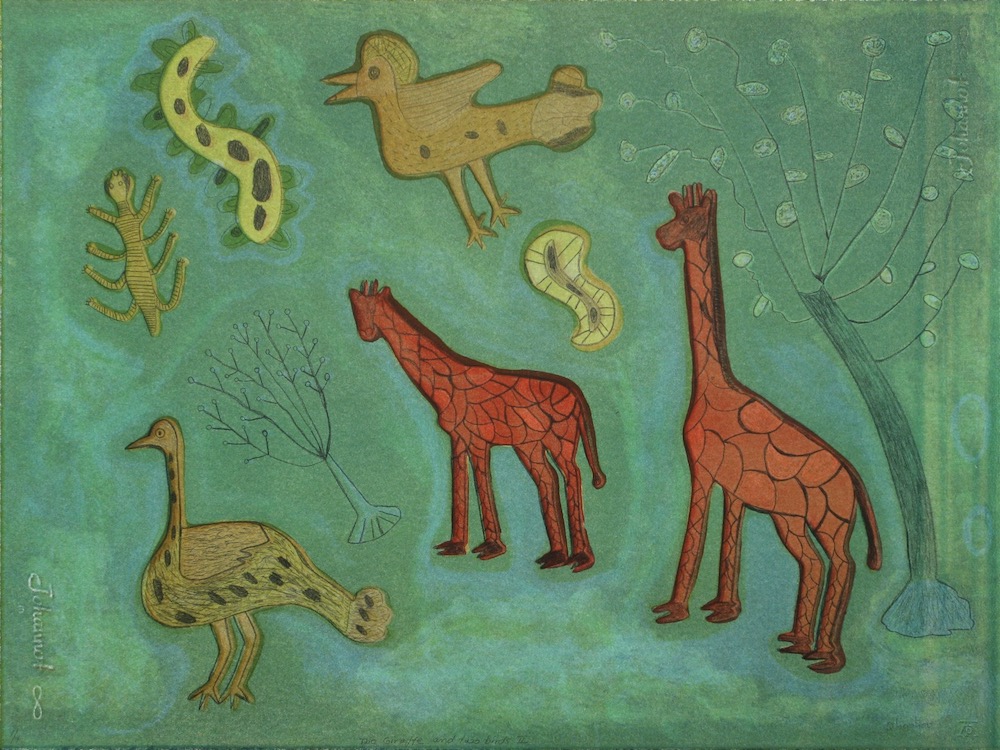
Two giraffe and two birds II, Mono print, Xgaoc’o X’are, 50 x 65 cm
Xgaoc’o X’are grew up on a farm in the Ghanzi District in Western Botswana. He now makes mono Prints inspired by his knowledge and love of the Kalahari.
For Xgaoc’o, art gives him the opportunity to put the ideas in his head on a canvas in beautiful naive forms and playful colours. His work is informed by a childhood spent working on farms and hunting with his father and brother for food.
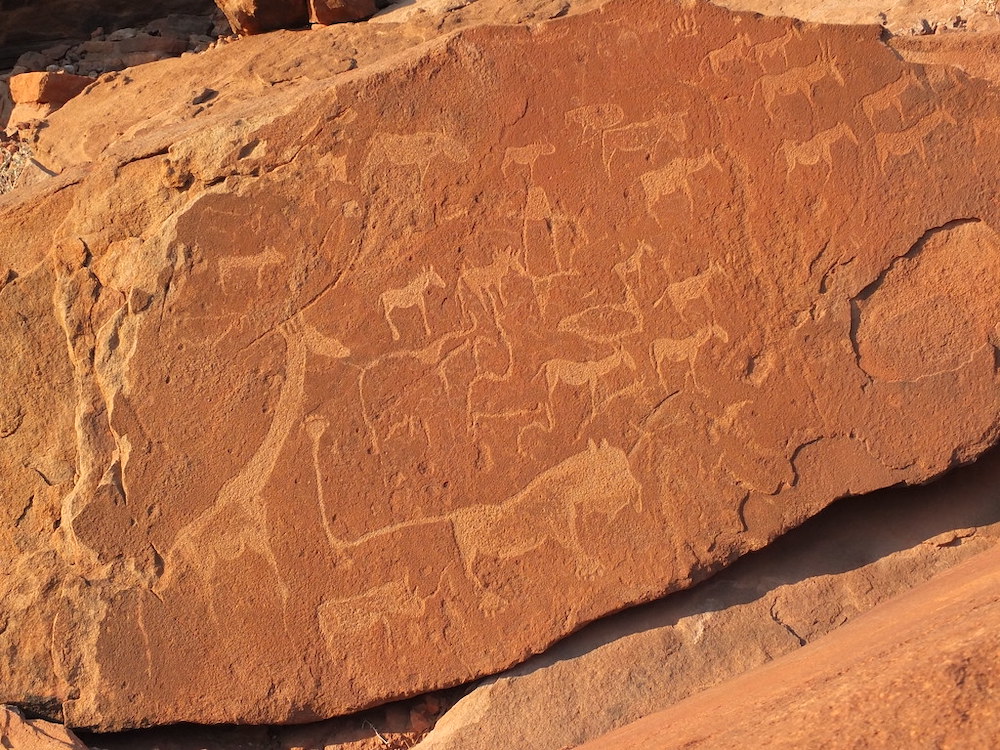
His work is a reflection of his love of the Kalahari Desert and captures the essence of the rock art created centuries ago by his ancestors in Twyfelfontein. The oldest engravings are thought to be as old as 10,000 years.
He signs his work in his Naro name Qhaqhoo.
Xgaoc’o X’are’s (Qhaqhoo) work displays a strong sense of pattern, skewed perspectives and uneven shapes with rich detail. His work is reminiscent of Naive Art, which breaks the rules of the traditional 3 rules of perspective. These rules affect size, colour and the level of detail with distance.
Having had no formal art training Xgaoc’o X’are (Qhaqhoo) draws on his personal experiences and ancestral history to capture a beautiful instinctive approach to materials, colour and composition.
See more of Xgaoc’o X’ares work here.
The Naro language uses clicking noises in its phonetic alphabet. To pronounce the Naro name ‘Qhaqhoo’ we recommend looking at a phonetic table for creating the click noise ‘Qh’. Please do let us know if you have any more information relating to the pronunciation.
Questions to Ask Children
Describe what you see.
How does it make you feel?
Which words would you use to describe the whole piece?
How has the artists experience influenced this artwork?
What comparisons can you make between the artists work and the rock engravings?
Make a list of all the animals you often see in your environment.
This Talking Points Is Used In…
Pathway:Exploring the world though mono print
using sketchbooks to make visual notes
Show me what you see
A collection of sources and imagery to explore different treehouses.
Please note that this page contains links to external websites and has videos from external websites embedded. At the time of creating, AccessArt checked all links to ensure content is appropriate for teachers to access. However external websites and videos are updated and that is beyond our control.
Please let us know if you find a 404 link, or if you feel content is no longer appropriate.
We strongly recommend as part of good teaching practice that teachers watch all videos and visit all websites before sharing with a class. On occasion there may be elements of a video you would prefer not to show to your class and it is the teacher’s responsibility to ensure content is appropriate. Many thanks.
*If you are having issues viewing videos it may be due to your schools firewall or your cookie selection. Please check with your IT department.*
This resource is free to access and is not a part of AccessArt membership.

Treehouses
Questions to Ask Children
Which treehouse is your favourite? Why?
If you could build your own treehouse what would its purpose be? For living in? Playing?
Can you think of an invention that could be used for getting up and down into a treehouse without using a ladder or steps?
Do you prefer the big treehouses or the small treehouses? Why?
Is there an area in your local community where you’d like to build a treehouse? What materials would you use and why? What would its purpose be?
This Talking Points Is Used In…
Pathway: Stick Transformation project
using sketchbooks to make visual notes
Show me what you see
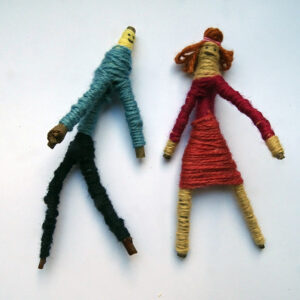
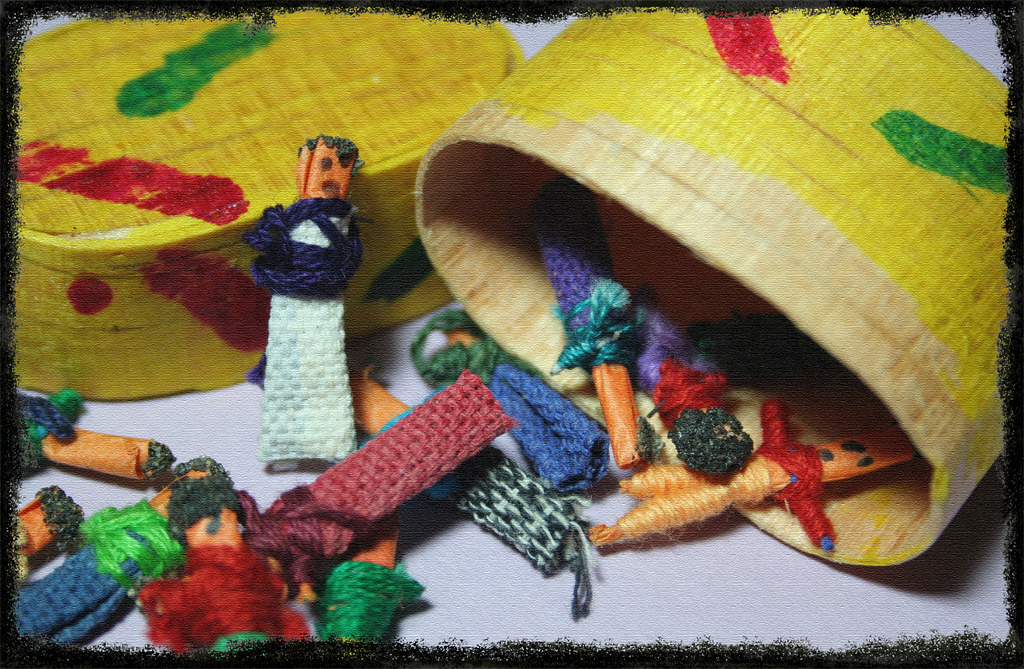
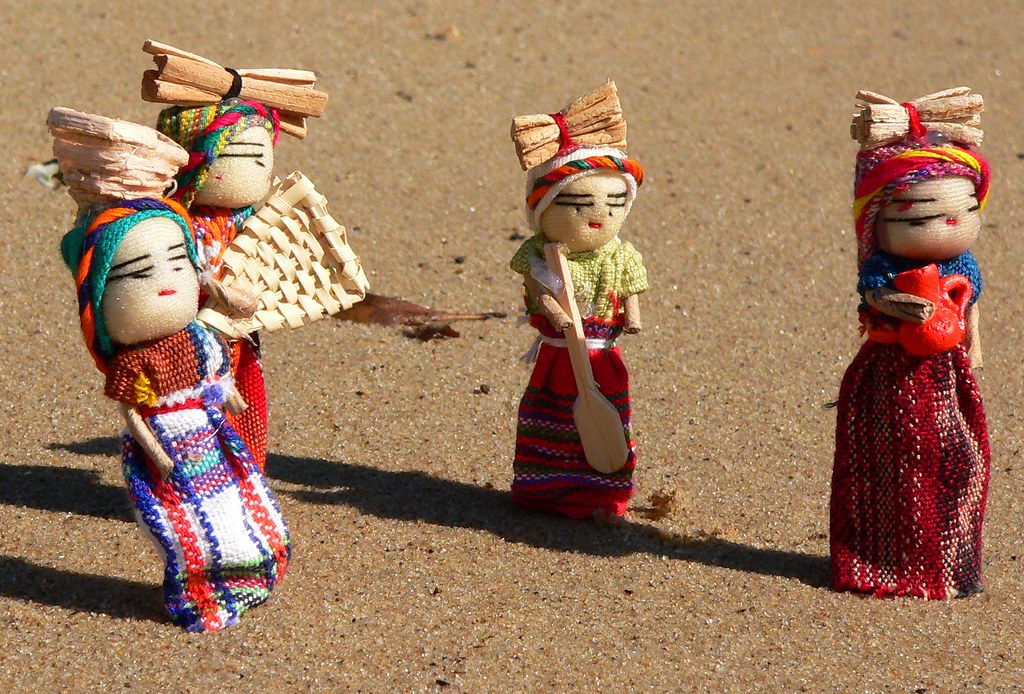
A collection of sources and imagery to explore the tradition of Guatemalan Worry Dolls.
Please note that this page contains links to external websites and has videos from external websites embedded. At the time of creating, AccessArt checked all links to ensure content is appropriate for teachers to access. However external websites and videos are updated and that is beyond our control.
Please let us know if you find a 404 link, or if you feel content is no longer appropriate.
We strongly recommend as part of good teaching practice that teachers watch all videos and visit all websites before sharing with a class. On occasion there may be elements of a video you would prefer not to show to your class and it is the teacher’s responsibility to ensure content is appropriate. Many thanks.
*If you are having issues viewing videos it may be due to your schools firewall or your cookie selection. Please check with your IT department.*
This resource is free to access and is not a part of AccessArt membership.
Guatemalan Worry Dolls
You may wish to show pupils the video above from 2.25 minutes onwards if there are any anxious children in the class.
Questions to Ask Children
When Guatemalan people make Worry Dolls, in what ways are the dolls the same and in what ways are the dolls different from each other?
What is the purpose of the dolls?
How do the dolls reflect the culture of where they are made?
Do Guatemalan people make Worry Dolls for themselves or for others, or both?
Do artists make the dolls, or do you think anyone can make the dolls?
This Talking Points Is Used In…
Pathway: Stick Transformation project
using sketchbooks to make visual notes
Show me what you see
A collection of sources and imagery to explore the work of animation directors Max Porter and Ru Kuwahata.
Please note that this page contains links to external websites and has videos from external websites embedded. At the time of creating, AccessArt checked all links to ensure content is appropriate for teachers to access. However external websites and videos are updated and that is beyond our control.
Please let us know if you find a 404 link, or if you feel content is no longer appropriate.
We strongly recommend as part of good teaching practice that teachers watch all videos and visit all websites before sharing with a class. On occasion there may be elements of a video you would prefer not to show to your class and it is the teacher’s responsibility to ensure content is appropriate. Many thanks.
*If you are having issues viewing videos it may be due to your schools firewall or your cookie selection. Please check with your IT department.*
This resource is free to access and is not a part of AccessArt membership.

Tiny Inventions
Max Porter and Ru Kuwahata are award-winning animation directors. They often combining handcrafted art, CG animation, drawn animation, stop-motion and photographic effects. Since 2008, Max & Ru have been working together as “Tiny Inventions”.
Watch this video to see how Max and Ru made the animation Negative Space.
(The animation below contains themes of death.)
See the main animation to find out how the set came to life.
Questions to Ask Children
How does the set make you feel?
Do you like like the set?
What about the set draws your attention?
What materials do you think the directors may have used to make the set?
How long do you think it might have taken to build this sets for an animation?
How many different sets can you spot in the animation?
This Talking Points Is Used In…
Pathway: Set Design
using sketchbooks to make visual notes
Show me what you see
A collection of sources and imagery to explore the work of set designer Rae Smith.
Please note that this page contains links to external websites and has videos from external websites embedded. At the time of creating, AccessArt checked all links to ensure content is appropriate for teachers to access. However external websites and videos are updated and that is beyond our control.
Please let us know if you find a 404 link, or if you feel content is no longer appropriate.
We strongly recommend as part of good teaching practice that teachers watch all videos and visit all websites before sharing with a class. On occasion there may be elements of a video you would prefer not to show to your class and it is the teacher’s responsibility to ensure content is appropriate. Many thanks.
*If you are having issues viewing videos it may be due to your schools firewall or your cookie selection. Please check with your IT department.*
This resource is free to access and is not a part of AccessArt membership.
Rae Smith
Rae Smith is a British set and costume designer.
Smith worked as set designer on War Horse, a stage adaptation of Michael Morpurgo’s novel about a horse on the Western Front of the First World War.
To prepare for the role Smith reviewed personal recollections, photographs and archives from the period, held at the Imperial War Museum. A key theme was the use of the backdrop as a giant sheet of paper from one of the characters sketchbooks, onto which she projected images that might have been drawn by the character.
Explore more imagery form the production here.
Watch the trailer for War Horse on stage and follow on by discussing the set design using the following videos…
Sketchbooks, Drawings and Mock-ups
Warhorse Animation Montage
“Working with the drawings by show designer Rae Smith, and creating new digital content, we were able to create an animated sketch book that travels from idyllic Devon to the horror of WWI battlefields.” – Peter Stenhouse, Animator
Questions to Ask Children
What materials do you think the artist used?
How do Smith’s drawings make you feel?
Do you think it’s hard to try and draw what a character see’s through their eyes? If you could see through a different characters eyes, who would you choose?
Describe the atmosphere of the set. How do you think this has been achieved?
Does this make you think of set design in a different way?
What do you think the role of ‘set designer’ entails?
This Talking Points Is Used In…
Pathway: Set Design
using sketchbooks to make visual notes
Show me what you see
How might listening to music affect the lines an artist produces?
Wassily Kandinsky, born in Russia in 1866, is widely regarded as a pioneer of abstraction in Western art. He is believed to have had synesthesia, a neurological phenomenon that enabled him to make connections between colour and sound, which influenced his approach to painting.
Explore his paintings using the sources below, then discuss the questions provided.
Please Note:
This page includes links and videos from external sites, verified at publication but subject to change.
Teachers should review all content for classroom suitability.
Report any issues, and check school firewall settings if videos don’t play.
Kandinsky and Responding to Music
“Colour is the keyboard, the eyes are the harmonies, the soul is the piano with many strings. The artist is the hand that plays, touching one key or another, to cause vibrations in the soul.” – Wassily Kandinsky
Take a close look at these paintings, talking about them as a class, and using the questions to help deepen looking.
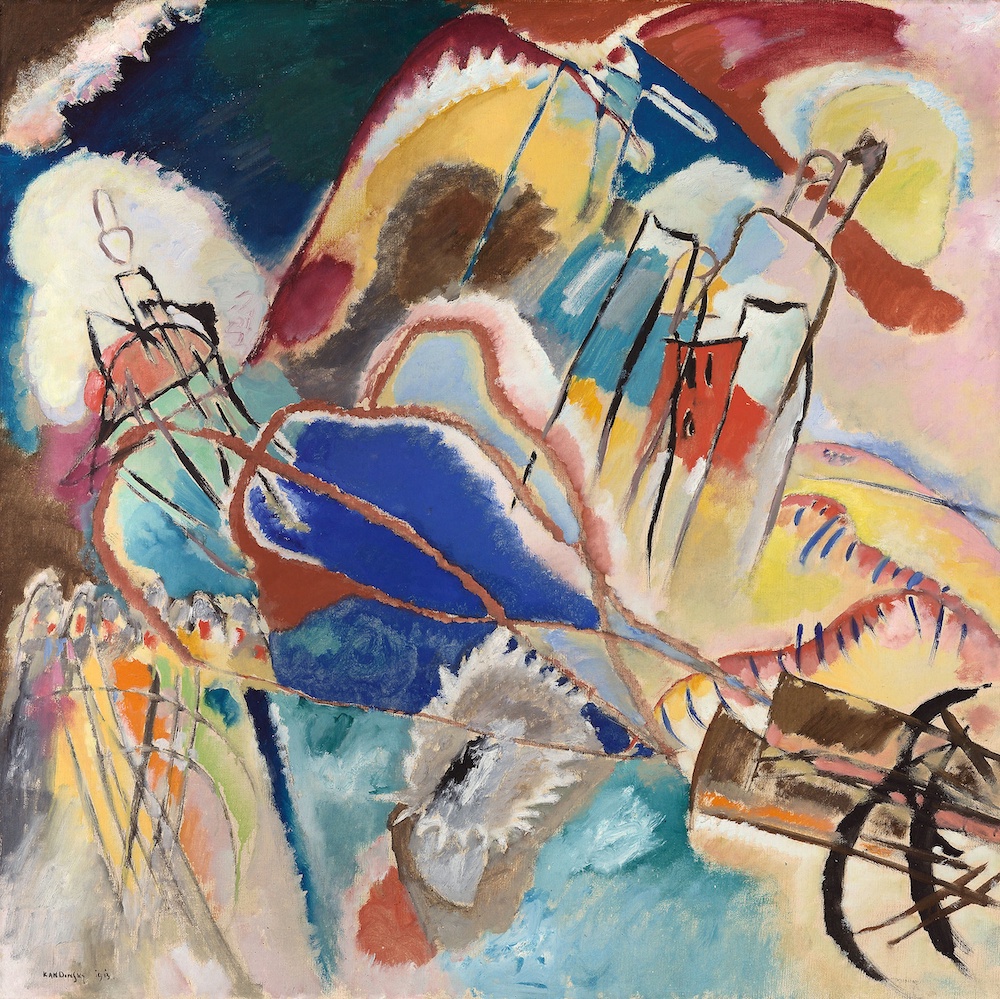
Wassily Kandinsky, Improvisation No. 30 (Cannons), 1913
Questions to Ask Children
Describe what you see.
What do you think could be happening in this abstract painting?
What kind of music do you think that Kandinsky was listening to when he painted this?
What do you think the blue dashes represent?
How does the painting make you feel?
Watch this animation that brings elements of Kandinsky’s paintings to life.
Questions to Ask Children
How do you feel watching the animation?
What colour would you associate with the music played by a saxophone? A drum?
If you could animate one of the paintings above or below, how would you bring it to life? What would you make it do?
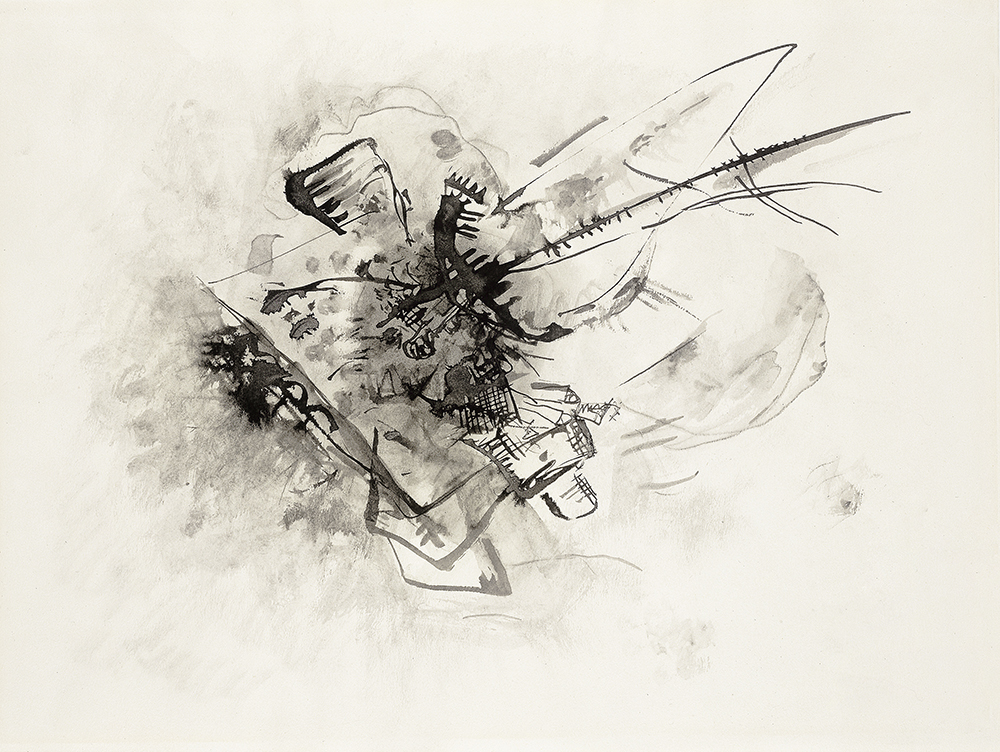
Untitled (1916) by Wassily Kandinsky. Original from The Art Institute of Chicago.
Questions to Ask Children
How do you think Kandinsky was feeling when he painted this painting?
What genre of music do you think that Kandinsky might have been listening to while he was painting this?
Watch this video on how to paint like Kandinsky whilst putting your own experience at the centre of the painting.
Questions to Ask Children
Choose a colour and a shape to describe how you’re feeling right now.
This Talking Points Is Used In…
Pathway: Music and art
using sketchbooks to make visual notes
Show me what you see
Text and images to help you explore the idea of Chiaroscuro (light and dark) in art.
Please note that this page contains links to external websites and has videos from external websites embedded. At the time of creating, AccessArt checked all links to ensure content is appropriate for teachers to access. However external websites and videos are updated and that is beyond our control.
Please let us know if you find a 404 link, or if you feel content is no longer appropriate.
We strongly recommend as part of good teaching practice that teachers watch all videos and visit all websites before sharing with a class. On occasion there may be elements of a video you would prefer not to show to your class and it is the teacher’s responsibility to ensure content is appropriate. Many thanks.
*If you are having issues viewing videos it may be due to your schools firewall or your cookie selection. Please check with your IT department.*
This resource is free to access and is not a part of AccessArt membership.
What is Chiaroscuro?
Chiaroscuro is an Italian term which literally means ‘light-dark’. Artists have used it for centuries to help them describe form, and to create atmosphere or mood.
To appreciate that the artist is using the chiaroscuro technique, squint at the artwork. Half close your eyes and notice how you can now see the light and the dark, but not the mid tones. You can also use this technique to help you see light and dark when looking at a still life, landscape or interior which you are about to draw.
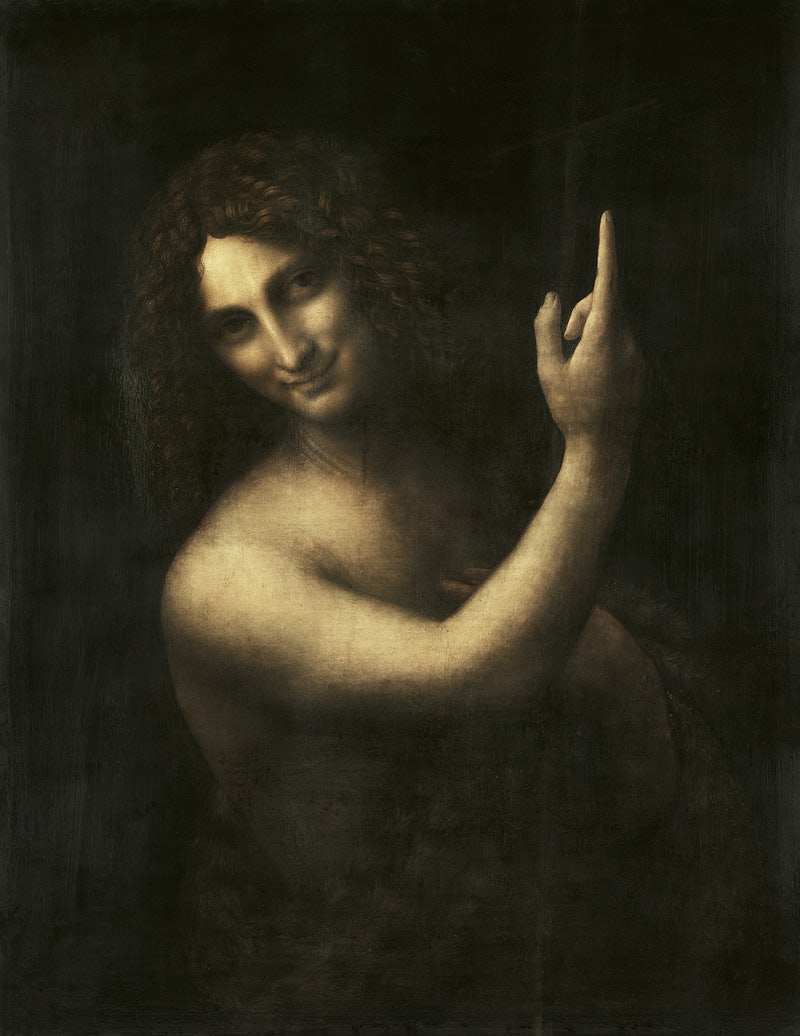
Leonardo da Vinci‘s Saint John the Baptist (1513-1516)
Art UK: The Superpower of Looking explores Joseph Wright of Derby’s An Experiment on a Bird in the Air Pump
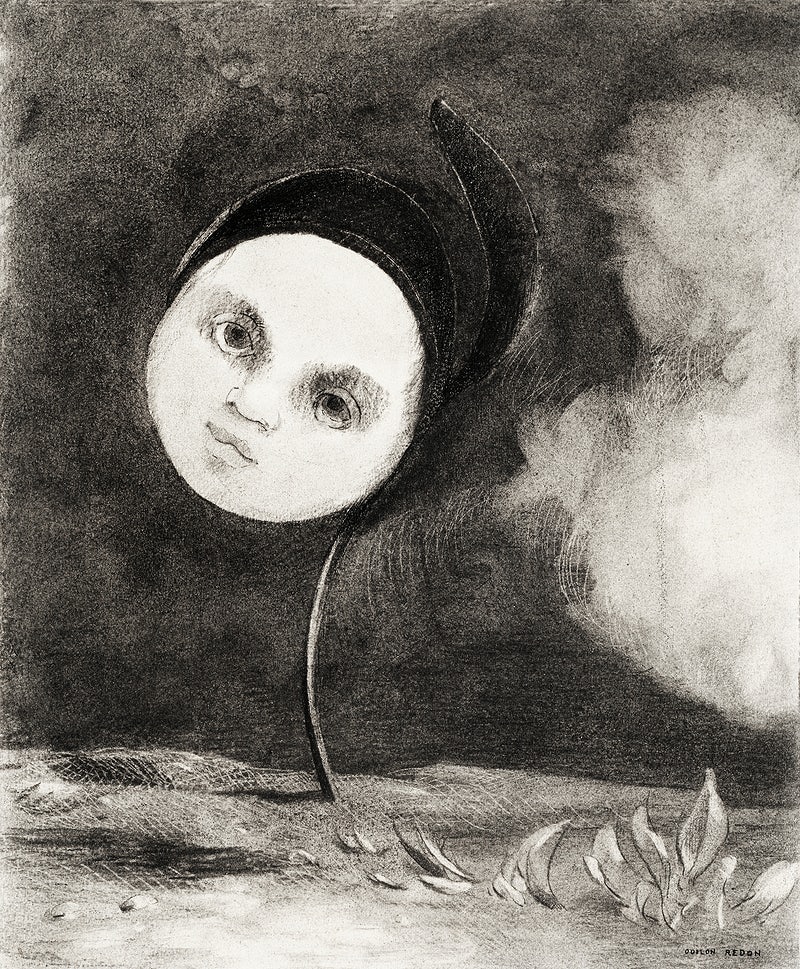
Strange Flower (Little Sister of the Poor) (1880) by Odilon Redon. Original from the Art Institute of Chicago
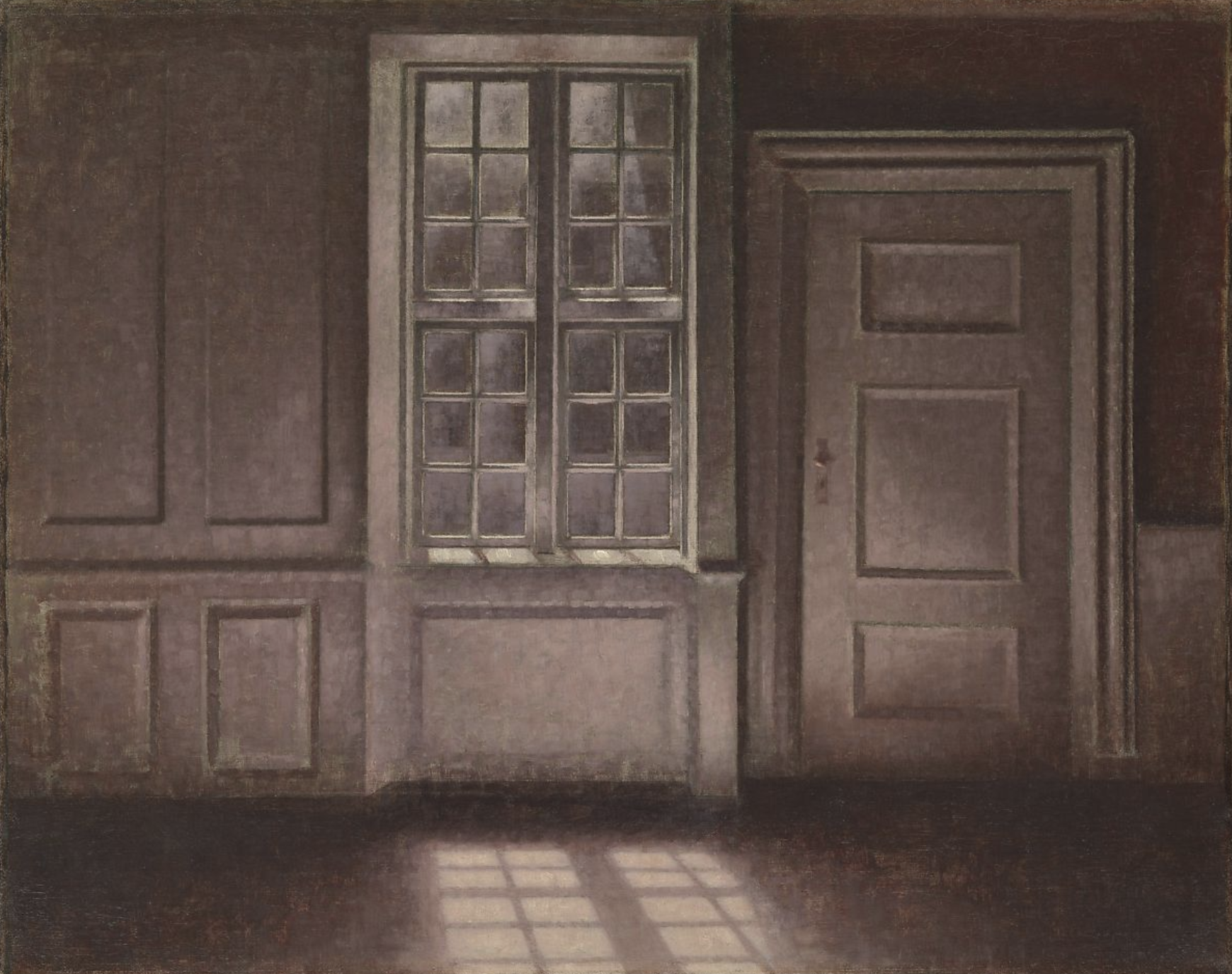
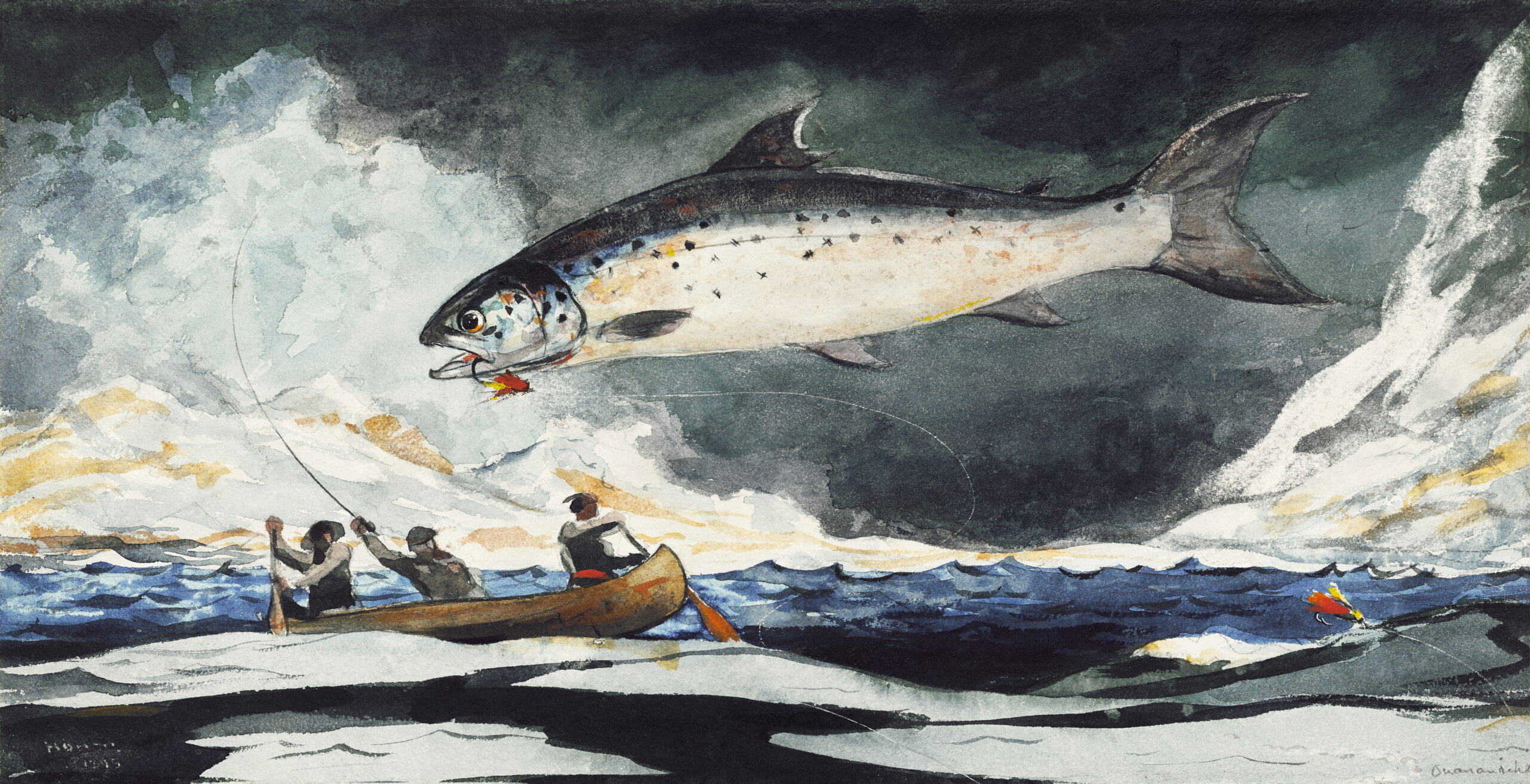
A Good Pool, Saguenay River (1895) by Winslow Homer. Original from The Clark Art Institute.
Questions to Ask Children
How does emphasising the light and the dark help create mood and atmosphere?
Can you always tell in which direction the light source is?
Has the artist actually used “black” and “white” or are the light and dark areas different tones of “grey”?
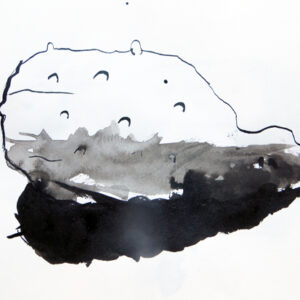
Using Chiaroscuro
Chiaroscuro replies on you being able to create tonal values on a page which have enough difference between them. For example, you need to be able to create a “dark dark” and a “light light”.
Depending on the medium you are using, there are different ways of achieving this. For example if you are using graphite (pencil) then you might create dark darks by cross hatching, repeat shading, intense pressure etc etc, and you might create light lights by using the pencil very softly – or even leaving the light of the paper to shine through. If you are using ink, you might like to use your ink undiluted for the dark darks, and diluted for the light lights.
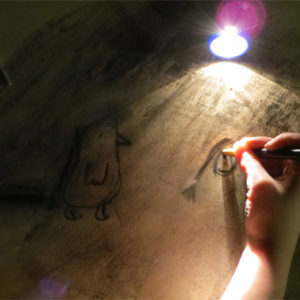
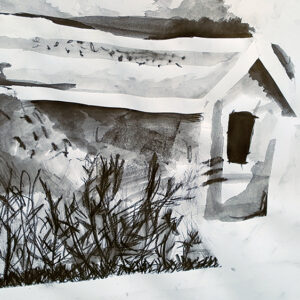
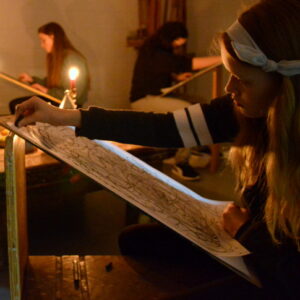
Take a look at these resources to help you explore Chiaroscuro.
See Three Shapes
Drawing by Torch Light
Graphic Sketches
Drawing Flames
This Talking Points Is Used In…
Pathway: Gestural Drawing with charcoal
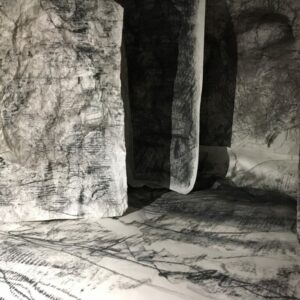
ADDITIONAL PATHWAY: AN EXPLORATION OF COAL MINING, INSPIRED BY HENRY MOORE
using sketchbooks to make visual notes
Show me what you see
A collection of imagery and sources designed to explore cave art.
Please note that this page contains links to external websites and has videos from external websites embedded. At the time of creating, AccessArt checked all links to ensure content is appropriate for teachers to access. However external websites and videos are updated and that is beyond our control.
Please let us know if you find a 404 link, or if you feel content is no longer appropriate.
We strongly recommend as part of good teaching practice that teachers watch all videos and visit all websites before sharing with a class. On occasion there may be elements of a video you would prefer not to show to your class and it is the teacher’s responsibility to ensure content is appropriate. Many thanks.
*If you are having issues viewing videos it may be due to your schools firewall or your cookie selection. Please check with your IT department.*
This resource is free to access and is not a part of AccessArt membership.
Chauvet Cave
Discovered on December 18, 1994 in south east France, it is considered one of the most significant prehistoric art sites and contains some of the best preserved figurative cave paintings in the world.
Questions to Ask Children
Describe what you can see in the cave paintings?
Which drawings are your favourites?
What material do you think they might have used to create these paintings?
Lascaux Cave
On 12 September 1940, the entrance to the Lascaux Cave was discovered by 18-year-old Marcel Ravidat when his dog, Robot, fell in a hole.
The deteriorating condition of the cave caused by an introduction to bacteria and changes in humidity the caves led to its closure.
You may also find this video useful.
Questions to Ask Children
How do you think it would feel to discover prehistoric cave paintings?
Why is it important that these paintings are preserved?
How do these paintings differ from those in the Chauvet Cave?
The White Lady
The white lady cave painting is located in The Brandberg mountains in Namibia dating back to at least 2000 years ago.
It is usually assumed that the painting shows some sort of ritual dance.
It’s thought that the painting was probably made of ochre, charcoal, manganese, hematite, with blood serum, egg white, and casein used as binding agents.
Questions to Ask Children
Describe what you can see.
What animals do you think are depicted?
What do you like about this cave art?
What materials might you use to recreate the colours and textures of this painting?
How do these paintings differ from those in the Chauvet Cave?
This Talking Points Is Used In…
Pathway: Gestural Drawing with charcoal
using sketchbooks to make visual notes
Show me what you see
A collection of imagery and sources designed to explore the work of Kevork Mourad.
Please note that this page contains links to external websites and has videos from external websites embedded. At the time of creating, AccessArt checked all links to ensure content is appropriate for teachers to access. However external websites and videos are updated and that is beyond our control.
Please let us know if you find a 404 link, or if you feel content is no longer appropriate.
We strongly recommend as part of good teaching practice that teachers watch all videos and visit all websites before sharing with a class. On occasion there may be elements of a video you would prefer not to show to your class and it is the teacher’s responsibility to ensure content is appropriate. Many thanks.
*If you are having issues viewing videos it may be due to your schools firewall or your cookie selection. Please check with your IT department.*
This resource is free to access and is not a part of AccessArt membership.
Kevork Mourad
Born in Qamishli, Syria, Mourad now lives and works in New York City.
Mourad employs his technique of live drawing and animation in concert with musicians – developing a collaboration in which art and music harmonize with one another.
A painter, printmaker and video artist, Mourad has performed his animated and live visuals internationally.
Mourad also uses monotype as a medium to explore middle eastern politics and history.
See more of his work here.
The making of Seeing Through Babel
Questions To Ask Children
Describe what you can see.
Can you describe the process that Mourad uses?
How do you think it would feel to be interacting with the installation?
How does it make you feel?
From the Sun to the Moon 2020 by Kevork Mourad.
Questions To Ask Children
Describe what you can see.
What do you think the artist is trying to say in this animation?
How does it make you feel?
Groong 2020 by Kevork Mourad.
This Talking Points Is Used In…
Pathway: Making Monotypes
using sketchbooks to make visual notes
Show me what you see
A collection of imagery and sources designed to explore the tradition of Wayang Kulit.
Please note that this page contains links to external websites and has videos from external websites embedded. At the time of creating, AccessArt checked all links to ensure content is appropriate for teachers to access. However external websites and videos are updated and that is beyond our control.
Please let us know if you find a 404 link, or if you feel content is no longer appropriate.
We strongly recommend as part of good teaching practice that teachers watch all videos and visit all websites before sharing with a class. On occasion there may be elements of a video you would prefer not to show to your class and it is the teacher’s responsibility to ensure content is appropriate. Many thanks.
*If you are having issues viewing videos it may be due to your schools firewall or your cookie selection. Please check with your IT department.*
This resource is free to access and is not a part of AccessArt membership.
Malaysian Shadow Puppets
Explore images of Wayang shadow puppets here.
Find out how puppet masters in Malaysia are modernising the tradition of Wayang Kulit.
Questions to Ask Children
How do you think it would feel to watch one of these traditional puppet shows?
Describe the atmosphere?
Can you think of other popular stories you’d like to be made into a puppet show?
What do you like about these puppet shows?
This Talking Points Is Used In…
Pathway: Shadow Puppets
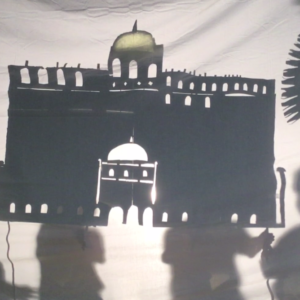
using sketchbooks to make visual notes
Show me what you see
A collection of sources and imagery to explore exciting packaging design.
Please note that this page contains links to external websites and has videos from external websites embedded. At the time of creating, AccessArt checked all links to ensure content is appropriate for teachers to access. However external websites and videos are updated and that is beyond our control.
Please let us know if you find a 404 link, or if you feel content is no longer appropriate.
We strongly recommend as part of good teaching practice that teachers watch all videos and visit all websites before sharing with a class. On occasion there may be elements of a video you would prefer not to show to your class and it is the teacher’s responsibility to ensure content is appropriate. Many thanks.
*If you are having issues viewing videos it may be due to your schools firewall or your cookie selection. Please check with your IT department.*
This resource is free to access and is not a part of AccessArt membership.
Packaging design is really important for a products success. The packaging has to echo the values of a company through design.
Read this Waitrose case study to find out how they redesigned the ‘free from’ range to fit with the values of the company and customers.
See how packaging is used to unify the brand feel here.
Watch the videos below to find out what designers might consider when designing packaging.
Questions to Ask Children
Do you prefer the old design or the new design? Why?
Can you list the different things that designers factor in when they’re thinking about a redesign?
See how designers might create a mock up of their design to show the client how the packaging will look.
Watch a designer improve upon a packaging design.
Questions to Ask Children
Do you prefer the first design or the design that this designer created? Why?
Would you be more likely to pick up packaging with photos or with drawings on it? Why?
As a class, discuss how you might create packaging for pineapple juice. Think about the shape of the juice carton, colours and text.
Once a company has created packaging they need to think about advertising.
Questions to Ask Children
As a class discuss how you might advertise your pineapple juice.
Watch this video to find out how you can make a net for a packaging box.
This Talking Points Is Used In…
Pathway: 2D Drawing to 3D Making
using sketchbooks to make visual notes
Show me what you see
A collection of imagery and sources designed to introduce pupils to the Artist Lubaina Himid.
Please note that this page contains links to external websites and has videos from external websites embedded. At the time of creating, AccessArt checked all links to ensure content is appropriate for teachers to access. However external websites and videos are updated and that is beyond our control.
Please let us know if you find a 404 link, or if you feel content is no longer appropriate.
We strongly recommend as part of good teaching practice that teachers watch all videos and visit all websites before sharing with a class. On occasion there may be elements of a video you would prefer not to show to your class and it is the teacher’s responsibility to ensure content is appropriate. Many thanks.
*If you are having issues viewing videos it may be due to your schools firewall or your cookie selection. Please check with your IT department.*
This resource is free to access and is not a part of AccessArt membership.
Lubaina Himid
“Born in Zanzibar in 1954, Lubaina Himid is a British painter who has dedicated her thirty-year-long career to uncovering marginalised and silenced histories, figures, and cultural moments. Himid creates paintings, drawings, prints and installations. She paints on a variety of surfaces, including ceramic and wood, often producing objects with performative potential intended to be encountered in a space”. RA
Look closely at the artwork ‘Naming the Money’ on Google Arts and Culture.
Watch the videos below to learn more about Lubaina Himid’s work and ideas.
Note for teachers on adult content: Please be advised that some of Himid’s work contains inappropriate imagery, some of which may be visible in the background of these videos. Please ensure you have watched them first to ensure you are happy to show to your class.
Note for teachers on adult content: We have tried to ensure that all videos below are suitable for use in schools, but please be advised that some of Himid’s work does address adult themes. Please ensure you have watched these videos first to ensure you are happy to show to your class.
Questions to Ask Children:
What different surfaces does Lubaina Himid work on? What type of paint does she use?
What can you read from the expressions on the two figures in the artwork called ‘Carrot Piece’? What do you think they are thinking or saying?
Do you think the man on the right is turning and standing still or is he walking away? Why might he want to do that?
Lubaina Himid describes the figures as “larger than life” – what do you think it would be like to see such a large artwork in real life?
Watch the video on Vimeo to find the playbar and controls.
Questions to Ask Children:
What warm or hot colours do you notice in some of the paintings displayed in the video?
Do you agree the paintings are vibrant? Why?
Some of the figures in the paintings appear to be quite flat and almost 2 dimensional. Do you think Lubaina Himid painted them in this way deliberately and what effect does it create?
Watch the video below from 2.00-3.30 minutes.
Questions to Ask Children:
What do you think it would be like to walk in and amongst all the painted wooden figures?
Some of the figures are playing musical instruments – what kind of music do you imagine they are playing?
This Talking Points Is Used In…
Pathway: 2D Drawing to 3D Making
using sketchbooks to make visual notes
Show me what you see
A collection of sources and imagery to explore the colourful spaces created by Yinka Ilori.
Please note that this page contains links to external websites and has videos from external websites embedded. At the time of creating, AccessArt checked all links to ensure content is appropriate for teachers to access. However external websites and videos are updated and that is beyond our control.
Please let us know if you find a 404 link, or if you feel content is no longer appropriate.
We strongly recommend as part of good teaching practice that teachers watch all videos and visit all websites before sharing with a class. On occasion there may be elements of a video you would prefer not to show to your class and it is the teacher’s responsibility to ensure content is appropriate. Many thanks.
*If you are having issues viewing videos it may be due to your schools firewall or your cookie selection. Please check with your IT department.*
This resource is free to access and is not a part of AccessArt membership.
Yinka Ilori
Yinka Ilori is a multidisciplinary artist and designer with a bold bright visual language influenced by his British-Nigerian heritage. Three components that feature heavily in Yinka’s work are pattern, colour and storytelling.
Yinka uses his crafts as a way to communicate Nigerian parables and verbal traditions.
His work is described as a fusion between contemporary design and Nigerian tradition.
Explore some more colour spaces here.
Watch the videos below to find out about Yinka’s designs for a basketball court in Canary Warf.
Questions to Ask Children
How does the basketball court look in its surroundings?
How does this basketball court vary from a normal basketball court?
Can you think of any other sports courts that could be made more exciting? How might you do this?
Watch the video below to find out about the Laundrette project.
Questions to Ask Children
How did Yinka and the children improve upon the original Laundrette?
How do you think it would feel to play in that space?
Can you think of other boring spaces that you would like to redesign and make more fun and colourful?
This Talking Points Is Used In…
Pathway: Brave Colour
using sketchbooks to make visual notes
Show me what you see
A collection of sources and imagery to explore the work of Morag Myerscough.
Please note that this page contains links to external websites and has videos from external websites embedded. At the time of creating, AccessArt checked all links to ensure content is appropriate for teachers to access. However external websites and videos are updated and that is beyond our control.
Please let us know if you find a 404 link, or if you feel content is no longer appropriate.
We strongly recommend as part of good teaching practice that teachers watch all videos and visit all websites before sharing with a class. On occasion there may be elements of a video you would prefer not to show to your class and it is the teacher’s responsibility to ensure content is appropriate. Many thanks.
*If you are having issues viewing videos it may be due to your schools firewall or your cookie selection. Please check with your IT department.*
This resource is free to access and is not a part of AccessArt membership.
Morag Myerscough
Artist & Designer Morag Myerscough creates installations and immersive spatial artworks that transform places and champion community and public interaction.
From schools and hospitals to cultural hubs and town centres Morag transforms public spaces by creating engaging experiences for everyone.
Explore more of Morag’s work here.
Questions to Ask Children
What do you like about Morag’s work?
How does her work make you feel?
How would it feel to be in that space, interacting with the sculpture?
How many people do you think were involved in making/installing Morag’s installations? What jobs did they have to do
Do you think the artists minds making an artwork which won’t last forever?
How do you think the people felt when they returned to the “normal” landscape around them? Would they have been changed by the artwork?
This Talking Points Is Used In…
Pathway: Brave Colour
using sketchbooks to make visual notes
Show me what you see
A collection of sources and imagery to explore the work of Fausto Melotti.
Please note that this page contains links to external websites and has videos from external websites embedded. At the time of creating, AccessArt checked all links to ensure content is appropriate for teachers to access. However external websites and videos are updated and that is beyond our control.
Please let us know if you find a 404 link, or if you feel content is no longer appropriate.
We strongly recommend as part of good teaching practice that teachers watch all videos and visit all websites before sharing with a class. On occasion there may be elements of a video you would prefer not to show to your class and it is the teacher’s responsibility to ensure content is appropriate. Many thanks.
*If you are having issues viewing videos it may be due to your schools firewall or your cookie selection. Please check with your IT department.*
This resource is free to access and is not a part of AccessArt membership.
Fausto Melotti
‘It wasn’t until the early 1980s that he designed set pieces for the actual stage. This exhibition looks back throughout Melotti’s lifetime to consider how theatre – conceptually as much as a dramatic art – informed the artist’s own creativity. –Galleries Now
Watch the videos below to find out more about the exhibition.
Apologies if you cannot watch one of the videos because your school has blocked YouTube.
Pause the video on stills of Melotti’s work and ask children the following questions…
Questions to Ask Children
Describe what you can see.
How does the set make you feel?
What do you like/dislike about the set?
Describe the atmosphere of the set. How do you think this has been achieved?
What materials do you think the artist has used?
This Talking Points Is Used In…
Pathway: Set Design
using sketchbooks to make visual notes
Show me what you see
A collection of sources and imagery to explore the work of Chris Kenny.
Please note that this page contains links to external websites and has videos from external websites embedded. At the time of creating, AccessArt checked all links to ensure content is appropriate for teachers to access. However external websites and videos are updated and that is beyond our control.
Please let us know if you find a 404 link, or if you feel content is no longer appropriate.
We strongly recommend as part of good teaching practice that teachers watch all videos and visit all websites before sharing with a class. On occasion there may be elements of a video you would prefer not to show to your class and it is the teacher’s responsibility to ensure content is appropriate. Many thanks.
*If you are having issues viewing videos it may be due to your schools firewall or your cookie selection. Please check with your IT department.*
This resource is free to access and is not a part of AccessArt membership.
Twigs
Chris Kenny works with humble, found materials: fragments excised from books or maps, discarded photographs or books, and fine twigs. He transforms these constructing fragile pertinent worlds that provoke wonder, humour or pathos.
Please note that that there are swear words on the artists website so you may not want to ask pupils to research by their own accord.
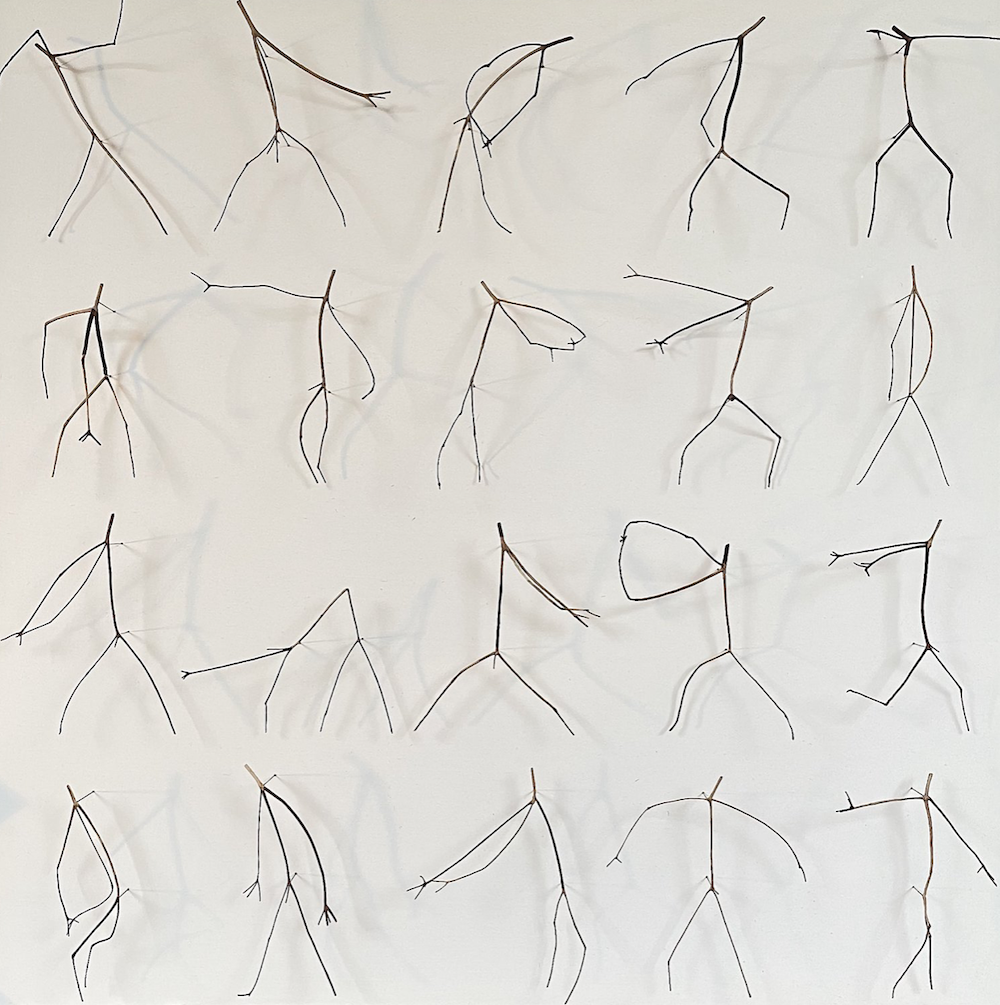
Twenty Twigs 2021 36 x 36 x 5inches Construction with cut twigs By Chris Kenny
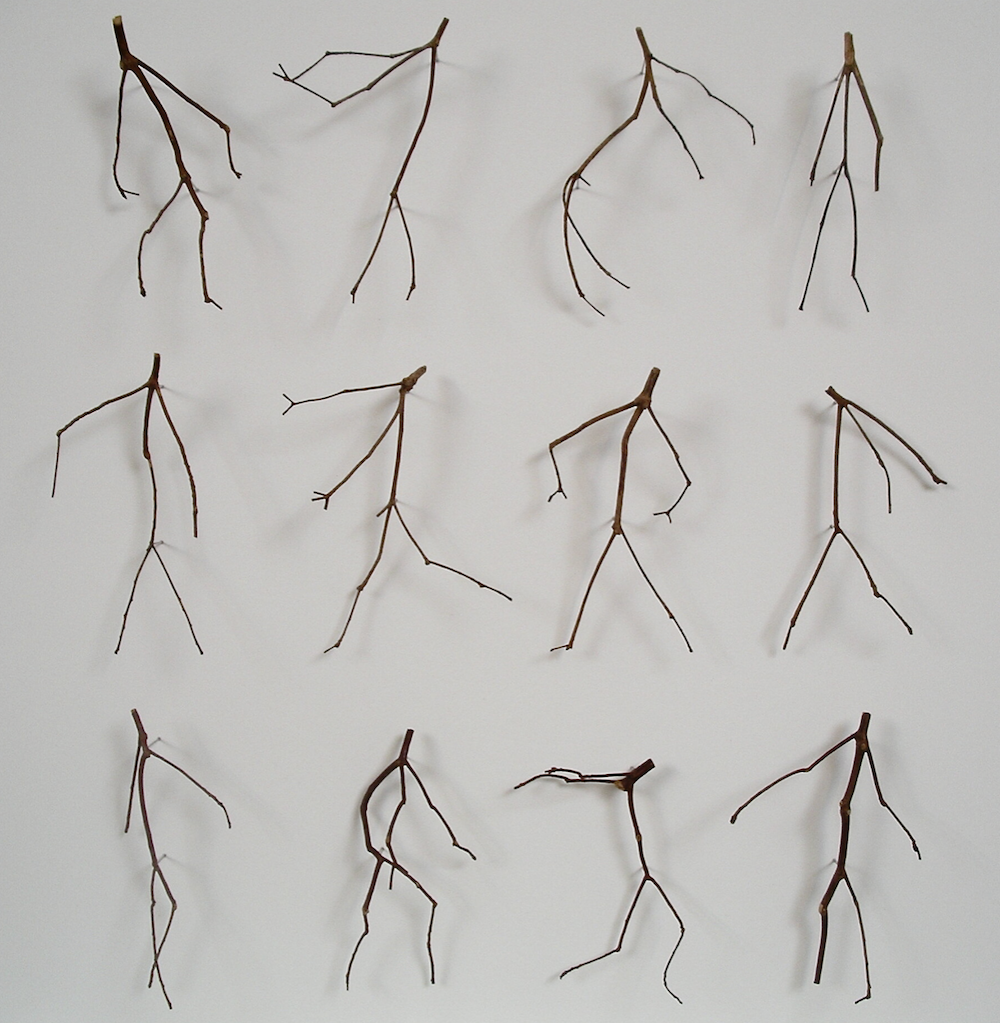
Twelve Twigs 2012 construction with twigs 22 x 22 x 3” by Chris Kenny
Questions to Ask Children
Describe what you see.
What could the stick people be doing?
Which is your favourite stick man? Why?
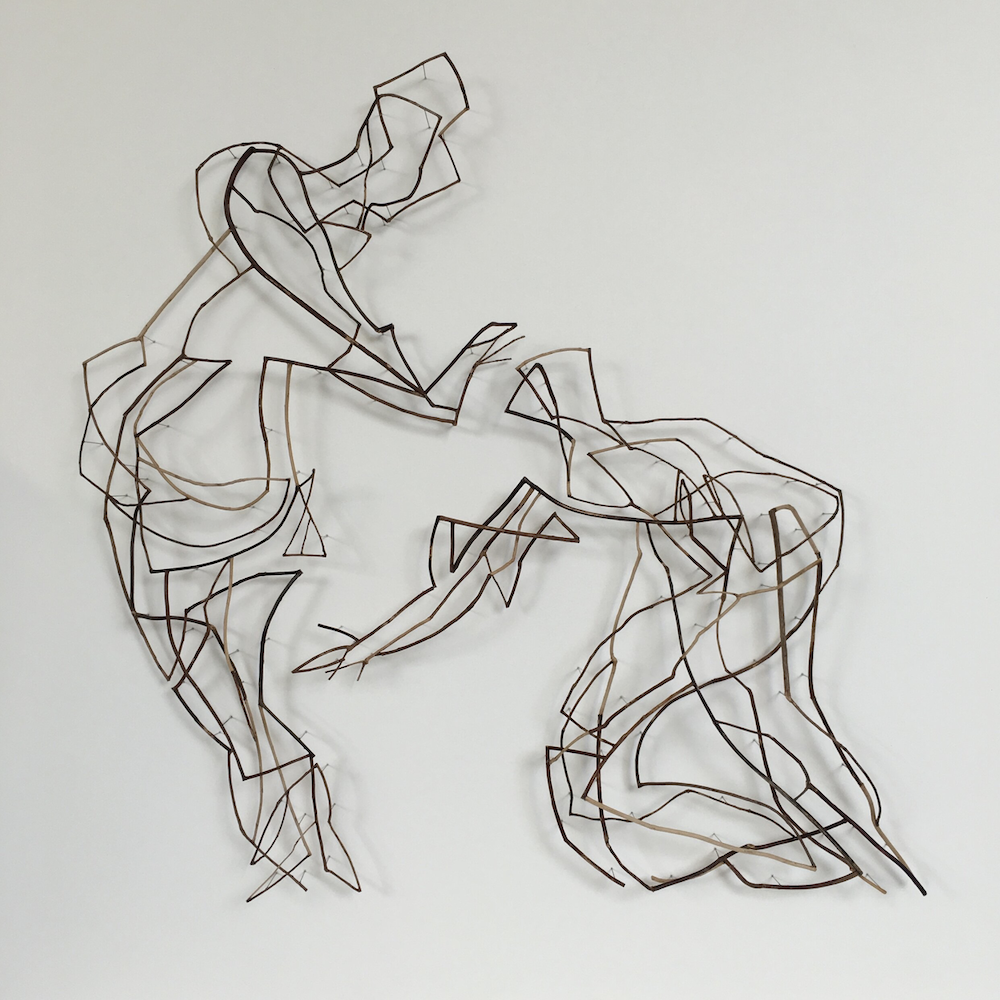
Noli Me Tangere (After Veronese) 2016 construction with found twigs 27 x 27 x 3″ by Chris Kenny
Questions to Ask Children
What do you think is happening in this image?
How does this image make you feel?
How do you think the artist created this stick image? Do you think he planned the image with a pencil or just start making?
Maps
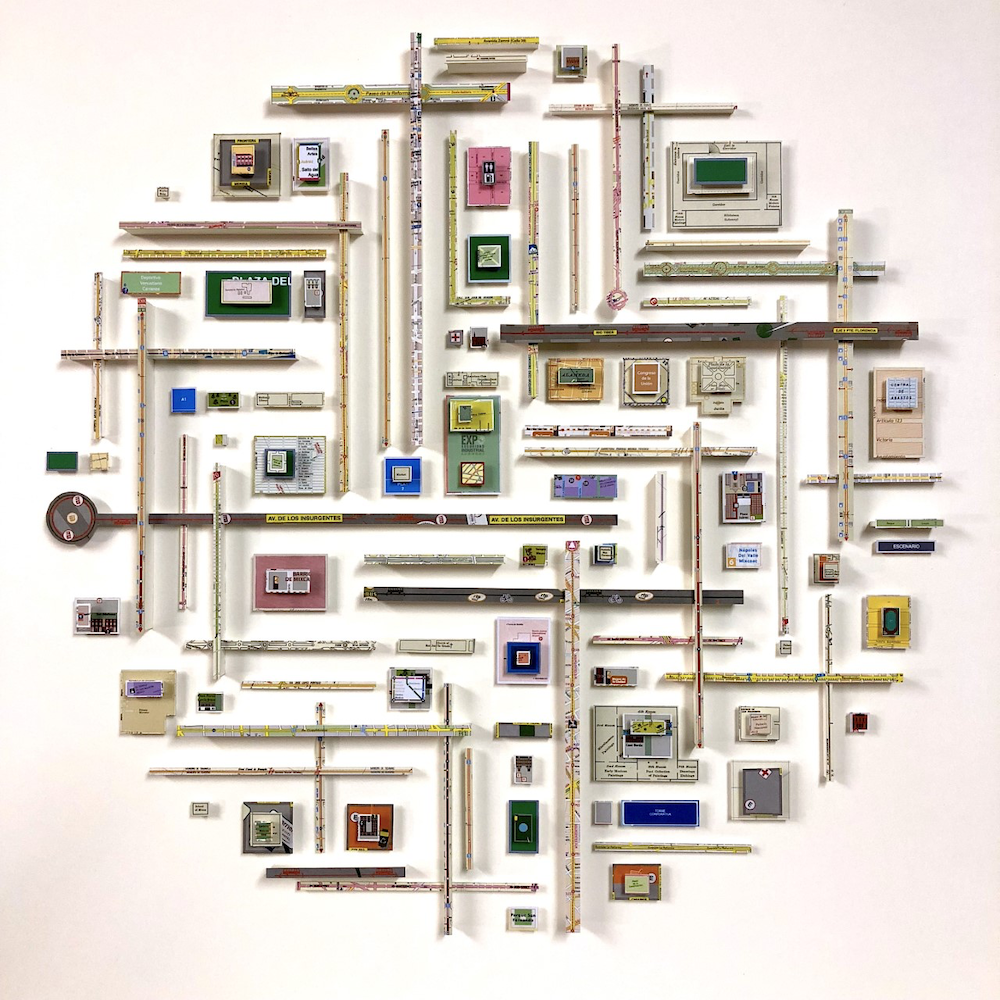
Mexico Triptych, Second Panel 2018 Construction With Map Fragments 36 x 36 x 3 by Chris Kenny
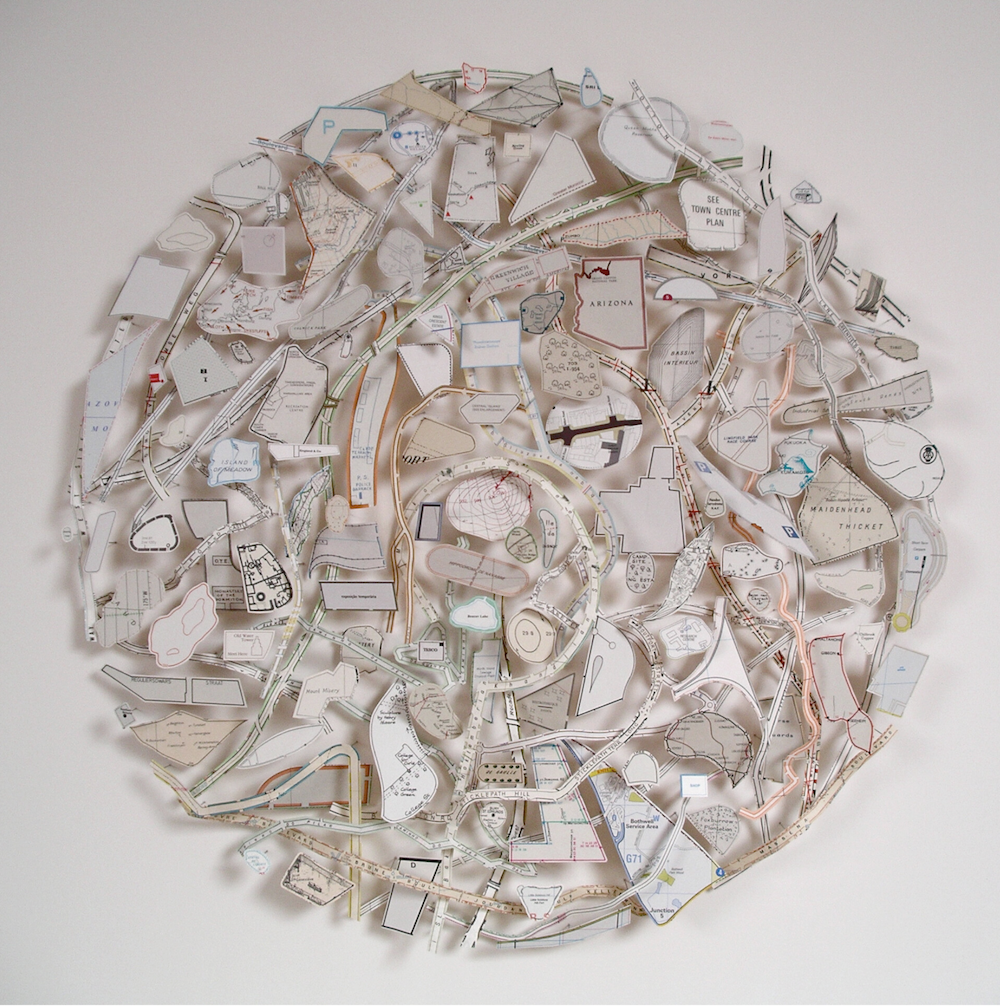
Maidenhead Thicket 2011 construction with map fragments by Chris Kenny
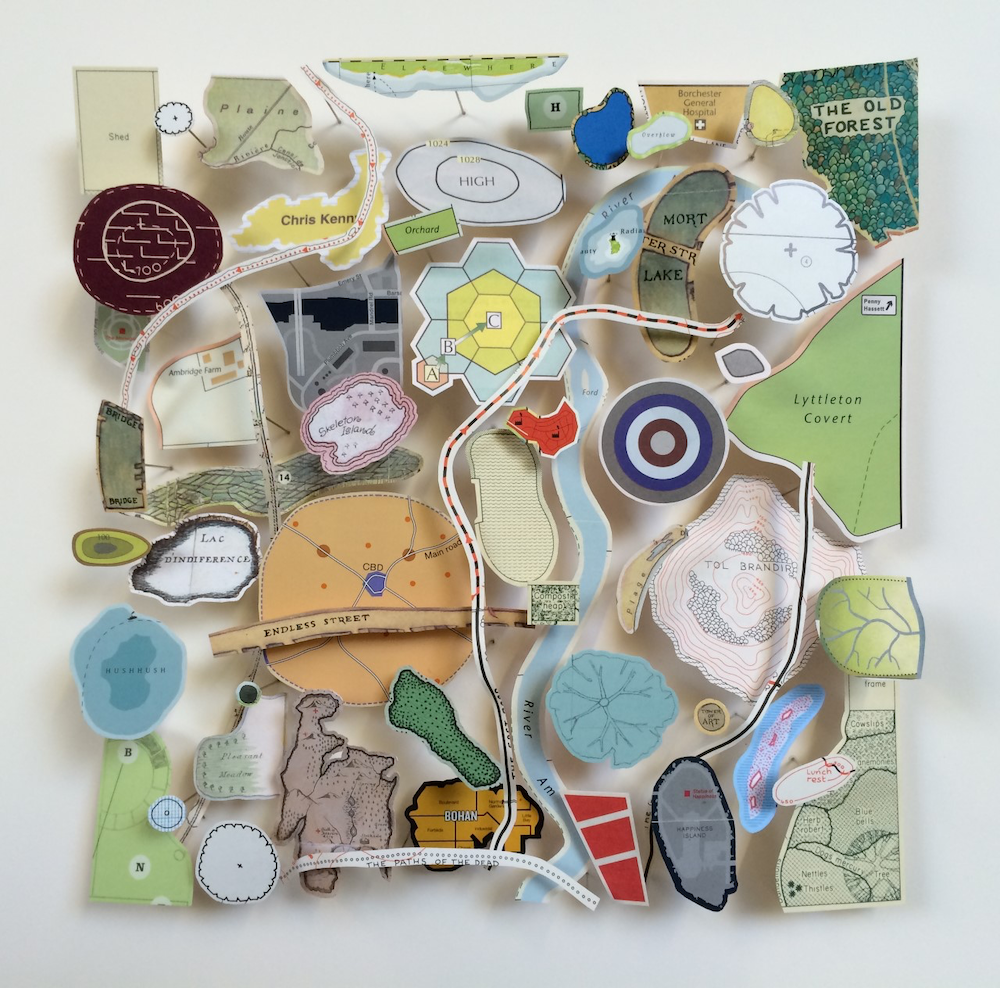
Elsewhere 2014 18 x 18 x 3 construction with map fragments by Chris Kenny
Questions for Children…
Describe what you can see.
Do you like this work? Why?
How does it make you feel?
Which map is your favourite and why?
How much does Chris Kenny reveal about himself through the map?
Can you spot any symbols or visual metaphors?
This Talking Points Is Used In…
Pathway: Typography and Maps
Pathway: Stick Transformation project
using sketchbooks to make visual notes
Show me what you see
How can we be inspired by urban landscapes?
Phil Dean (The Shoreditch Sketcher) draws mostly on location in his sketchbook, capturing the vibrancy and energy of the urban landscape everywhere he goes.
Explore the images and advice below from The Shoreditch Sketcher, and answer the questions to explore methods and discuss techniques in drawing in an urban environment.
Please Note:
This page includes links and videos from external sites, verified at publication but subject to change.
Teachers should review all content for classroom suitability.
Report any issues, and check school firewall settings if videos don’t play.
Tips from The Shoreditch Sketcher
The Shoreditch Sketcher has kindly provided the following tips for your own drawing. Read the tips and then explore his drawings below. Can you see his tips some to life in the drawings he makes?
Travel light
You don’t need to have lots of expensive equipment for urban sketching. I find the less kit I have, the easier it is to focus on the drawing. If you always travel with a small selection of pens and an A5 sketchbook, you will be able to set up camp anywhere and get drawing quickly wherever you are.
Pick a subject that interests you
There is absolutely no point in sketching something that doesn’t excite you. The fact is, you’re more likely to get a great result with something that interests you. Start with whatever catches your eye!
Get comfortable
For beginners and people who work at a slower pace, a seated position may be more comfortable and allow for more accuracy. Find a location where you can easily sit on a wall or chair to give yourself more time to capture the scene.
Remember that a drawing is not a photograph
Don’t fall into the trap of trying to faithfully capture the scene you are drawing as if it were a photograph. A sketch is an expression of what you’re looking at, not an exact reproduction. Celebrate the mistakes!
Set yourself a time limit
It can be useful to give yourself a time limit on your live drawings. This helps to focus your mind and instil your drawings with energy, and it forces you to move on to another view. Quick sketches often capture much more than an overworked piece!
Work in a medium that you feel comfortable with
I love drawing with pen – straight in, with no pencil. But I’m very aware this requires a lot of confidence and my advice to beginners is always to start with a medium you feel comfortable with. This might well be pencil or charcoal, both of which are quite forgiving.
Stop and come back to it later
Don’t be afraid to call time on a sketch even though it’s not ‘finished’. Remember, you are the one to decide what’s finished and what’s not. A great tip is to take a quick photo of the view you’re sketching on your phone and then use the image as a reference for adding more detail, tone or colour later on!
Keep at it
Practise makes perfect, and a sketch a day is a great way to train your eye. Draw everyday things such as bus journeys, sandwich shops, mugs on desks and drab buildings. You’ll quickly become adept at looking for interesting views, and soon your sketchbook will become a record of your travels!
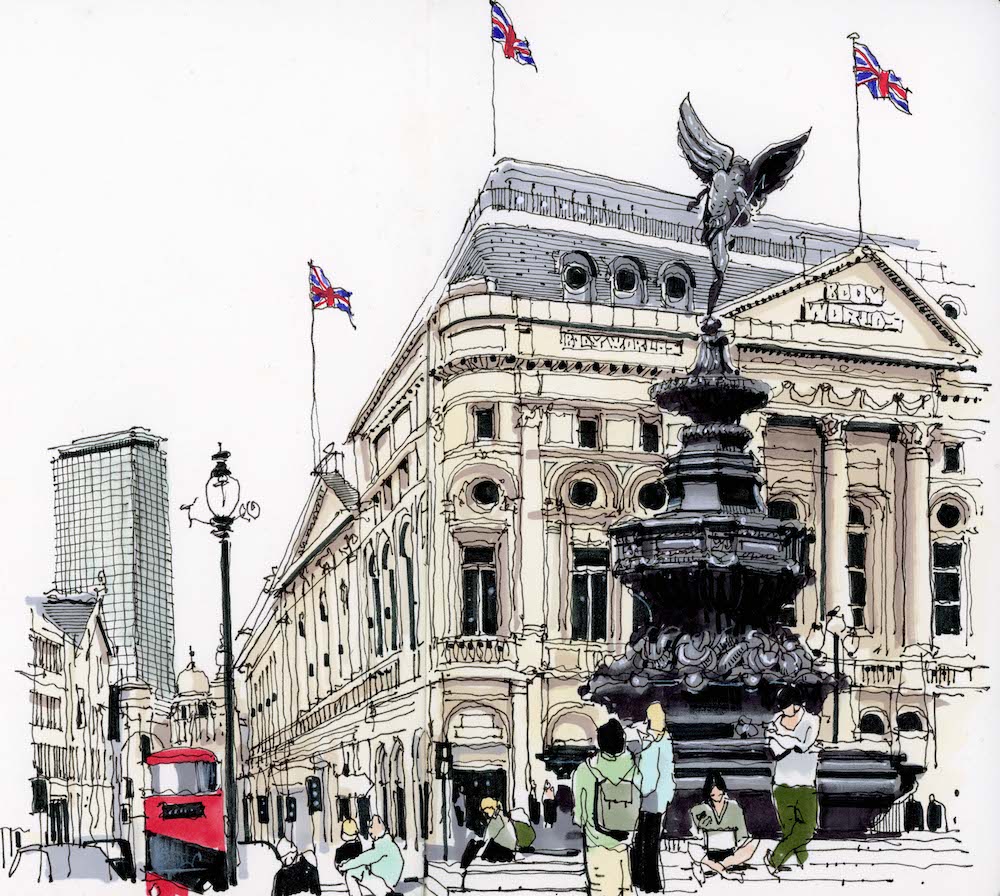
Piccadilly London by the Shoreditch Sketcher
Questions to Ask Children
Describe what you see.
Look at the artwork as a whole – which words would you use to describe the whole piece?
Tell me about the details you like.
How does it make you feel?
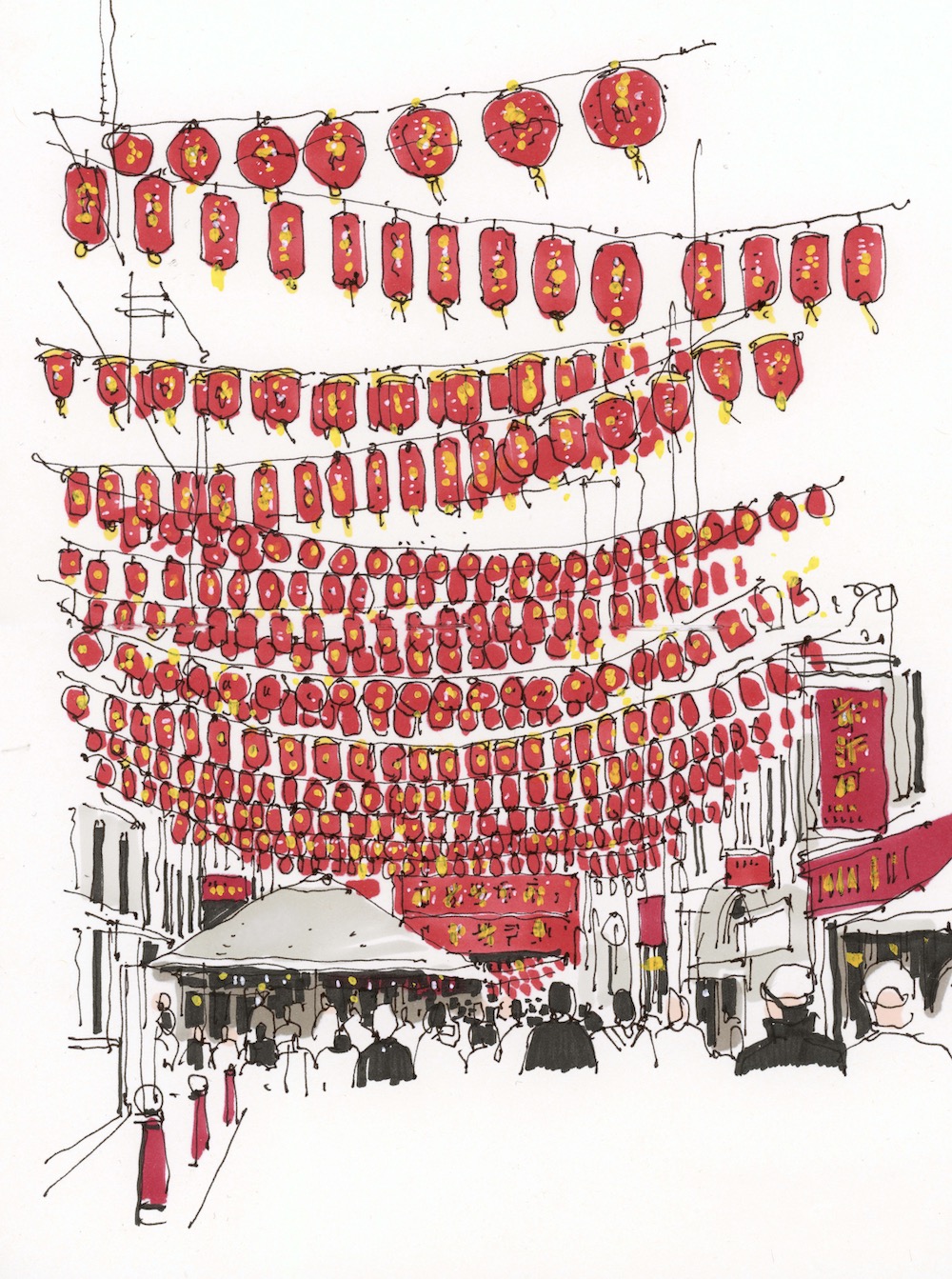
Chinatown London by the Shoredtich Sketcher
Questions to Ask Children
Describe what you see.
Which details are missing?
How do you think he decided how much detail to include or leave out?
Tell me about the details you like.
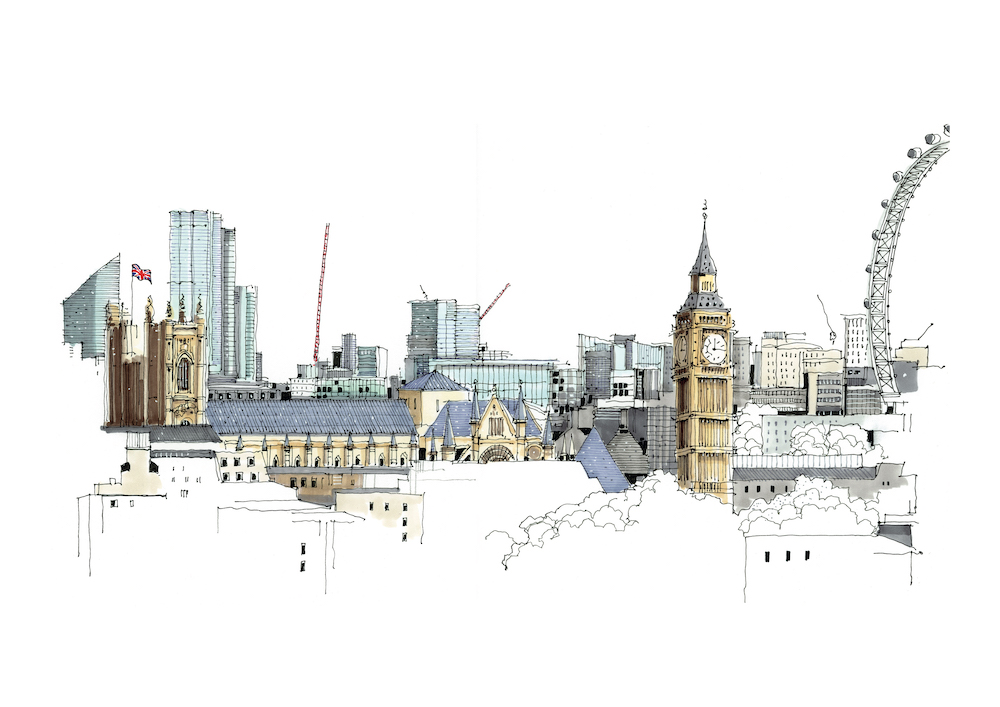
Westminster by the Shoreditch Sketcher
Questions to Ask Children
What can you see?
Do you recognise any of these buildings?
Why do you you think he chose to include details of those specific buildings and leave others out?
Tell me about the details you like.
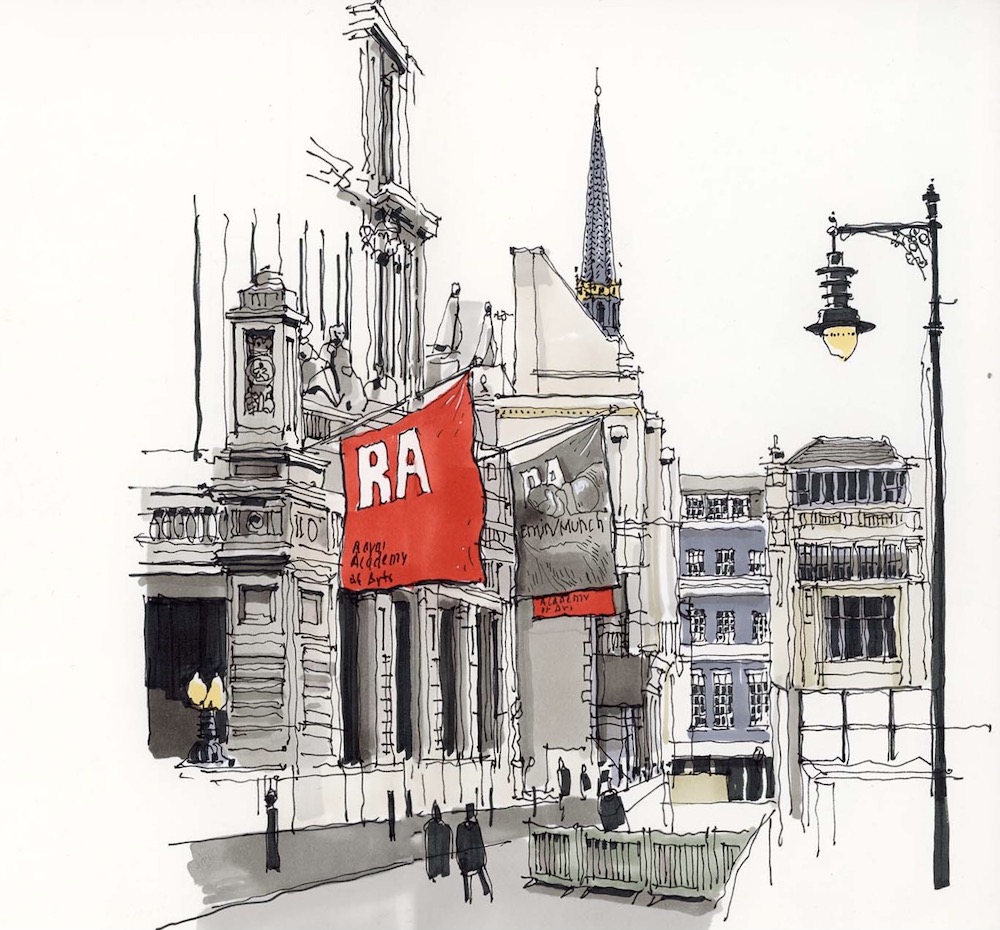
Royal Academy London by the Shoreditch sketcher
Questions to Ask Children
What can you see?
Which details do you like?
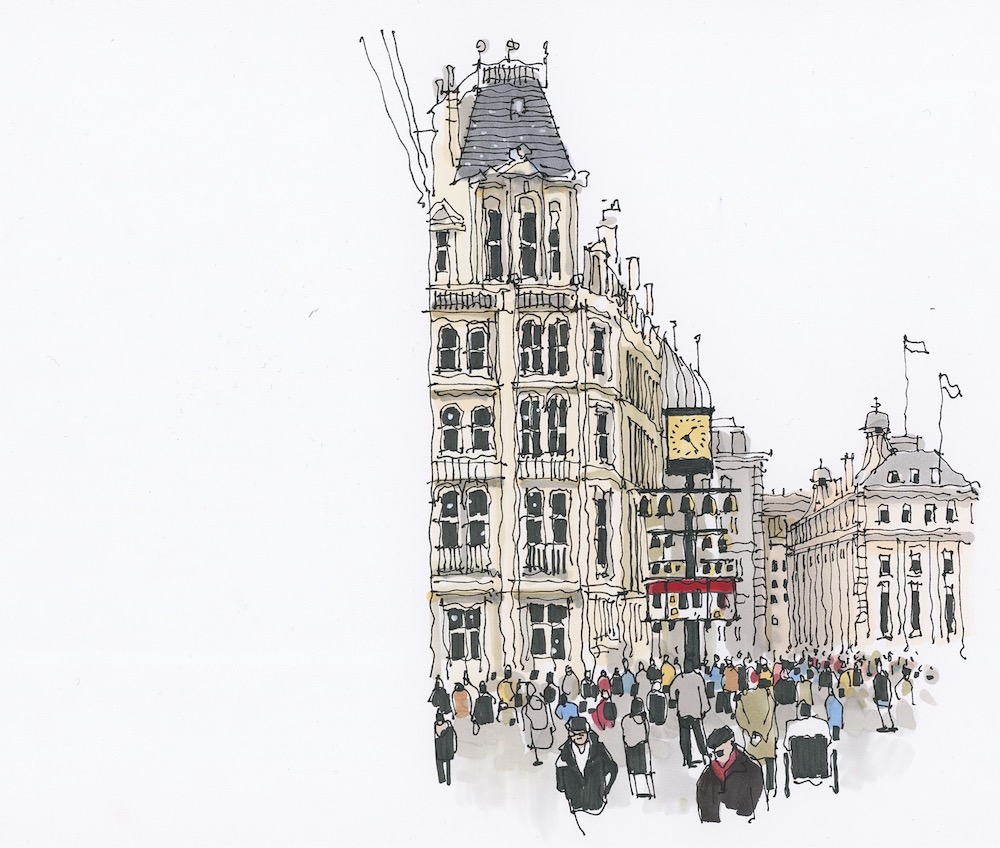
Leicester Square London by the Shoreditch Sketcher
Questions to Ask Children
What do you see?
How has the artist given the image perspective?
How would you describe the atmosphere?
Do you think that the blank space adds anything to the overall composition?
This Talking Points Is Used In…
Pathway: Mixed Media Land and city scapes
Pathway: Architecture- Dream big or small?
using sketchbooks to make visual notes
Show me what you see
A collection of sources and imagery to explore tiny houses.
Please note that this page contains links to external websites and has videos from external websites embedded. At the time of creating, AccessArt checked all links to ensure content is appropriate for teachers to access. However external websites and videos are updated and that is beyond our control.
Please let us know if you find a 404 link, or if you feel content is no longer appropriate.
We strongly recommend as part of good teaching practice that teachers watch all videos and visit all websites before sharing with a class. On occasion there may be elements of a video you would prefer not to show to your class and it is the teacher’s responsibility to ensure content is appropriate. Many thanks.
*If you are having issues viewing videos it may be due to your schools firewall or your cookie selection. Please check with your IT department.*
This resource is free to access and is not a part of AccessArt membership.
Apologies if you cannot watch some of the videos because your school has blocked YouTube.
Questions to Ask Children
What do you think of the materials used to build this home? Name some of the materials you can see.
Would you live in this microhome?
What are the pros and cons to living in a tiny home?
Questions to Ask Children
Could you live in this space?
Do you like the interior space? Why?
Would you prefer to have a tiny house in the countryside or in a city?
Can you think of a clever way to design a chair so that it can be stored away easily.
Questions to Ask Children
What do you think of this home?
Would you live in this microhome?
What premade structure could you make a tiny home out of?
AKT II and OFIS Arhitekti
Questions to Ask Children
Does this microtome have enough space?
Would you like to live in a microtome that could be moved around?
Do you like the design of the home? Why?
Could you fit all of your belongings in this home?
Questions to Ask Children
Could you live in this space?
Do you think that all homes should be made like this in the future? Why?
Do you like the interior space? Why?
What would you miss if you had to live in this space?
This Talking Points Is Used In…
Pathway: Architecture- Dream big or small?
using sketchbooks to make visual notes
Show me what you see
A collection of sources and imagery to explore the work of Yinka Shonibare.
Please note that this page contains links to external websites and has videos from external websites embedded. At the time of creating, AccessArt checked all links to ensure content is appropriate for teachers to access. However external websites and videos are updated and that is beyond our control.
Please let us know if you find a 404 link, or if you feel content is no longer appropriate.
We strongly recommend as part of good teaching practice that teachers watch all videos and visit all websites before sharing with a class. On occasion there may be elements of a video you would prefer not to show to your class and it is the teacher’s responsibility to ensure content is appropriate. Many thanks.
*If you are having issues viewing videos it may be due to your schools firewall or your cookie selection. Please check with your IT department.*
This resource is free to access and is not a part of AccessArt membership.
Yinka Shonibare
Yinka Shonibare is interdisciplinary artist. Within his practice he explored Western art history and literature to question contemporary cultural and national identities within the context of globalisation.
Through examining race, class and the construction of cultural identity, his works comment on the tangled interrelationship between Africa and Europe, and their respective economic and political histories. Find out more on his website here.
Earth Kids
“The wild is far from unlimited. It is finite. It needs protecting.” – David Attenborough
This series of new sculptures by Shonibare reflect on the connection between the history of colonial domination and humankind’s domination of the natural world and the exploitation of its limited resources.
Questions to Ask Children
In your own words, what do you think that the artist is trying to say through his work?
Do you like the sculptures? Why?
How do the sculptures make you feel?
Wind Sculptures
We can’t see wind, but we do see its effects. Here the dynamic movement of a piece of fabric in a gust of wind is rendered in solid fiberglass at monumental scale.
What we now regard as traditional African cloth is based on Indonesian batik fabric first brought to Africa by Dutch traders in the 1800s. For Shonibare, and for Wind Sculpture, identity is always a richly layered and dynamic set of relationships. – Public Art Fund.
Questions to Ask Children
In your own words what do you think the artist is trying to say with this series?
How does that artwork make you feel?
How do you think the scale of this sculpture impacts the viewer?
What do you like/dislike about the sculpture?
This Talking Points Is Used In…
Pathway: Exploring Identity
using sketchbooks to make visual notes
Show me what you see
How can we be inspired by Dutch and Flemish paintings from 1600-1800?
Dutch and Flemish Renaissance paintings depicting 16th-century life are significant for marking the emergence of a new artistic style—one that captured landscapes, portraits, still lifes, and scenes of everyday life.
Explore the paintings using the sources below, then discuss the questions provided.
Please Note:
This page includes links and videos from external sites, verified at publication but subject to change.
Teachers should review all content for classroom suitability.
Report any issues, and check school firewall settings if videos don’t play.
Jacob Vosmaer
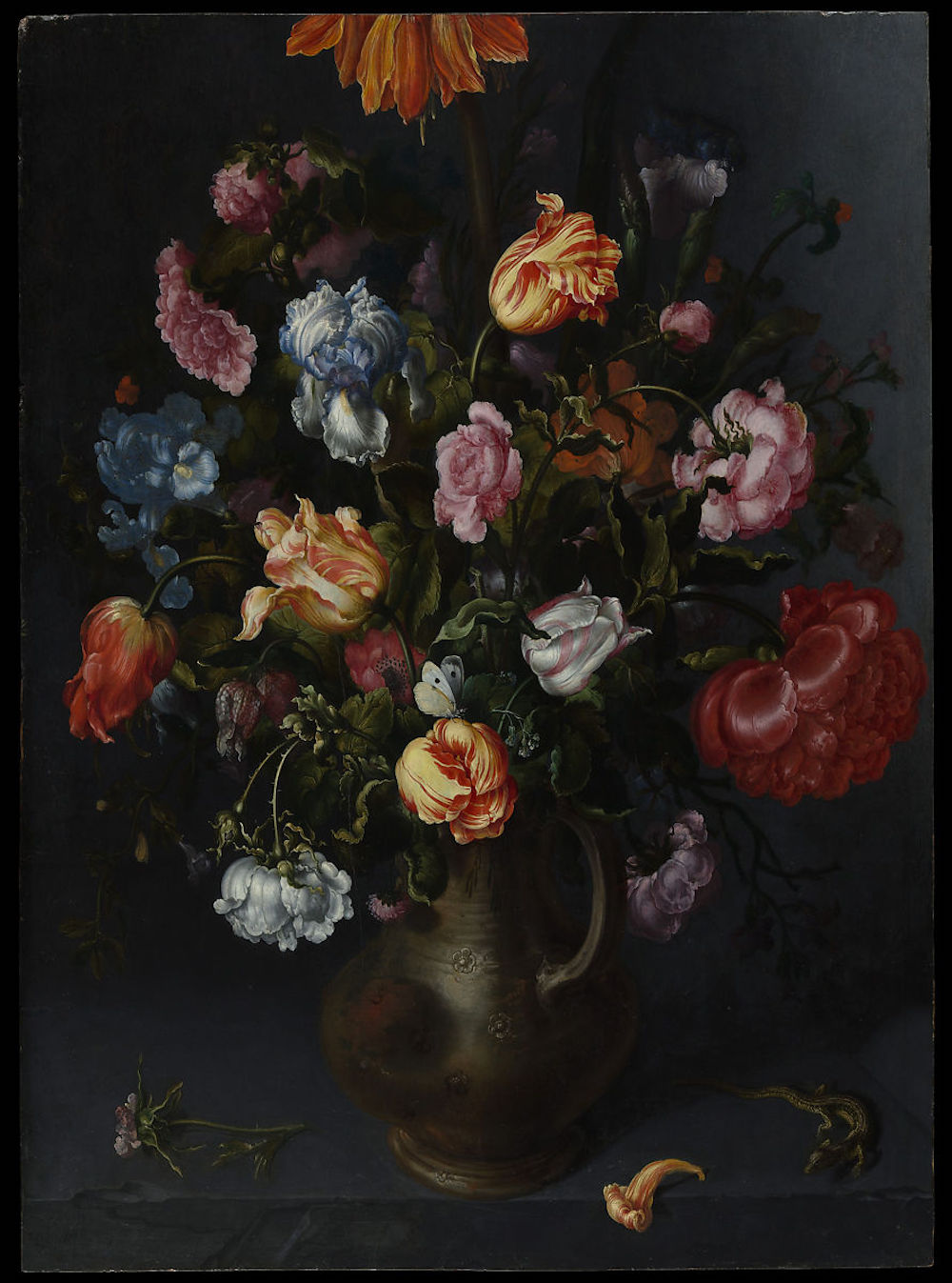
A Vase with Flowers, Jacob Vosmaer (Dutch, Delft ca. 1584–1641 Delft) 1613, Oil on wood, 33 1/2 x 24 5/8 in, Purchase, 1871
Questions to Ask Children
How would you describe the mood of this painting?
How have the colours impacted the mood?
How does the painting make you feel?
Jan Davidsz
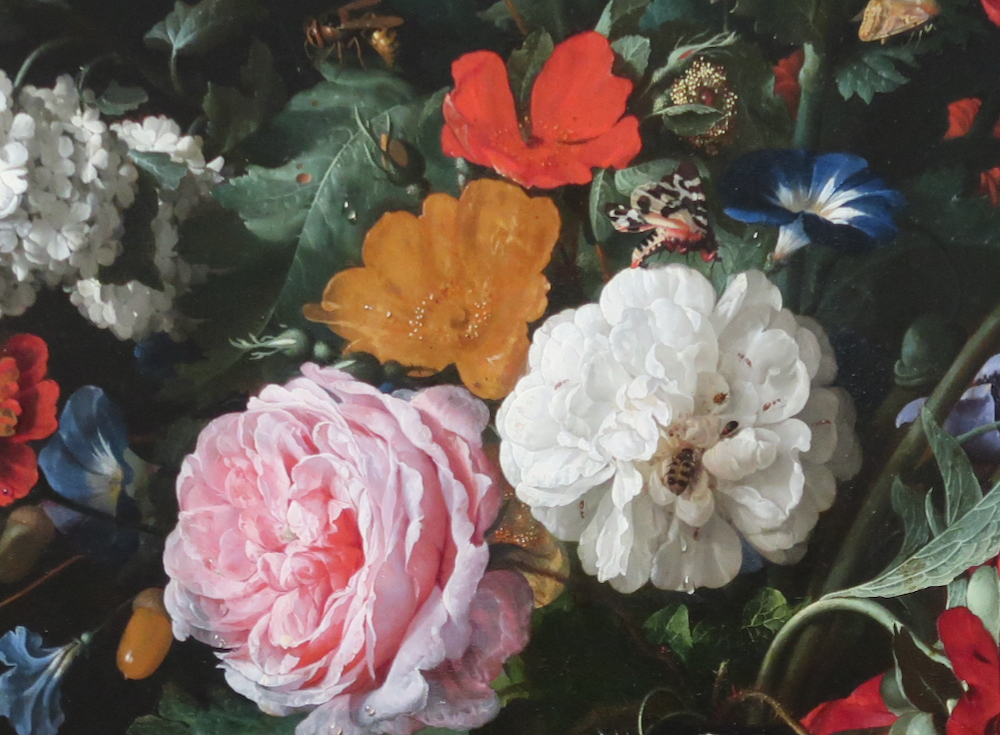
Close up of Flowers in a glass vase by Dutch painter Jan Davidsz. de Heem, 1606-1684, Oil on wooden panel, height 93.2 cm x width 69.6 cm – from the Fitzwilliam Museum, Cambridge
Questions to Ask Children
How does this painting compare with the first painting of flowers?
Which do you prefer and why?
Rachel Ruysch
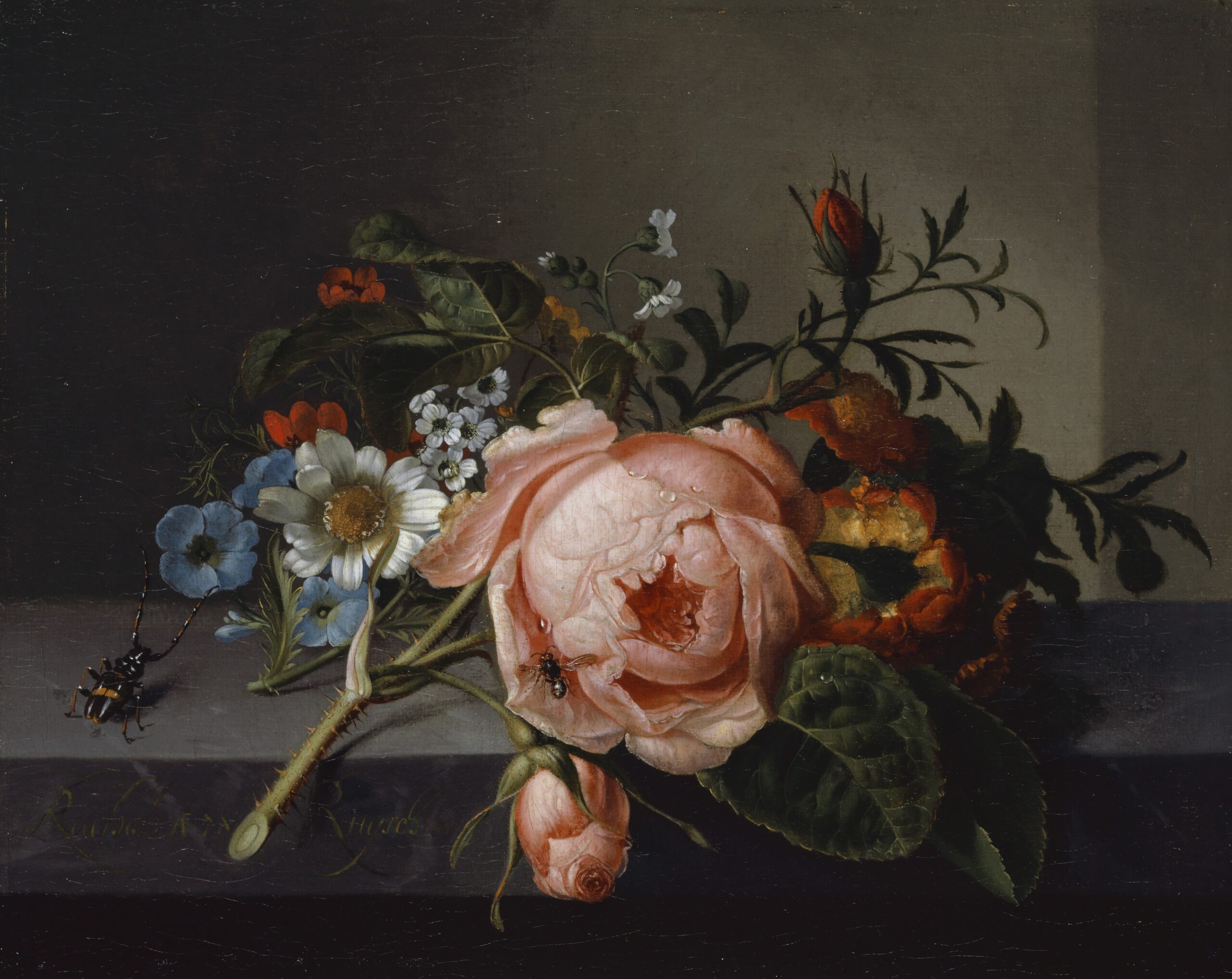
Still life with a rose branch, beetle and bee (1741) painting in high resolution by Rachel Ruysch.
Questions to Ask Pupils
What stands out to you when you look at this painting and why?
How would you describe the atmosphere of this painting?
Melchior d’ Hondecoeter
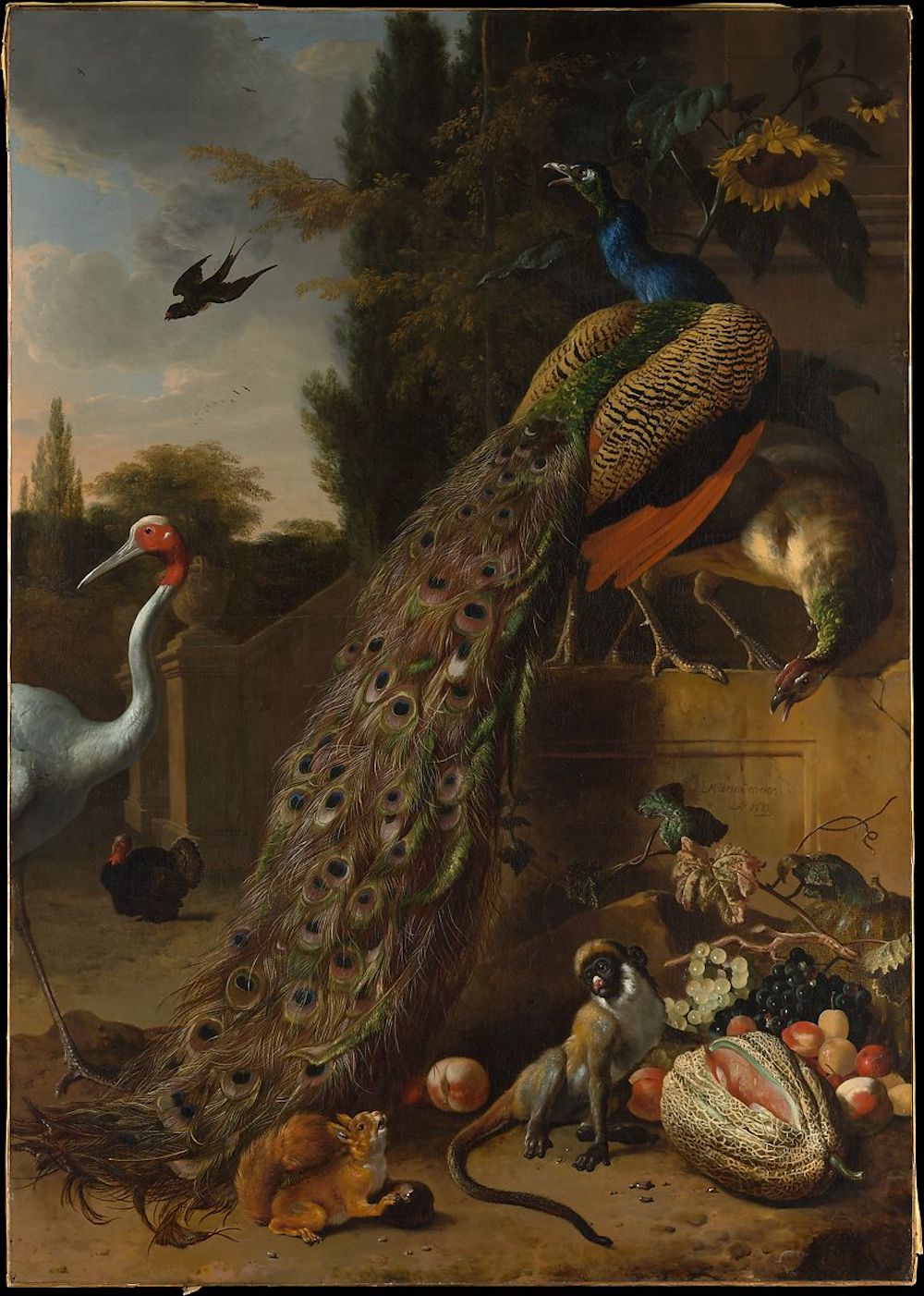
Peacocks, Melchior d’ Hondecoeter (Dutch, Utrecht 1636–1695 Amsterdam), 1683, Oil on canvas, 74 7/8 x 53 in. (190.2 x 134.6 cm), Gift of Samuel H. Kress, 1927
Questions to Ask Children
What can you see in this painting?
What time of day do you think this painting captures? Why?
Do you think that the animals in this painting get on? Why?
Why do you think the animals have congregated together in this painting?
What do you like/dislike about this painting? Why?
Peter Claesz
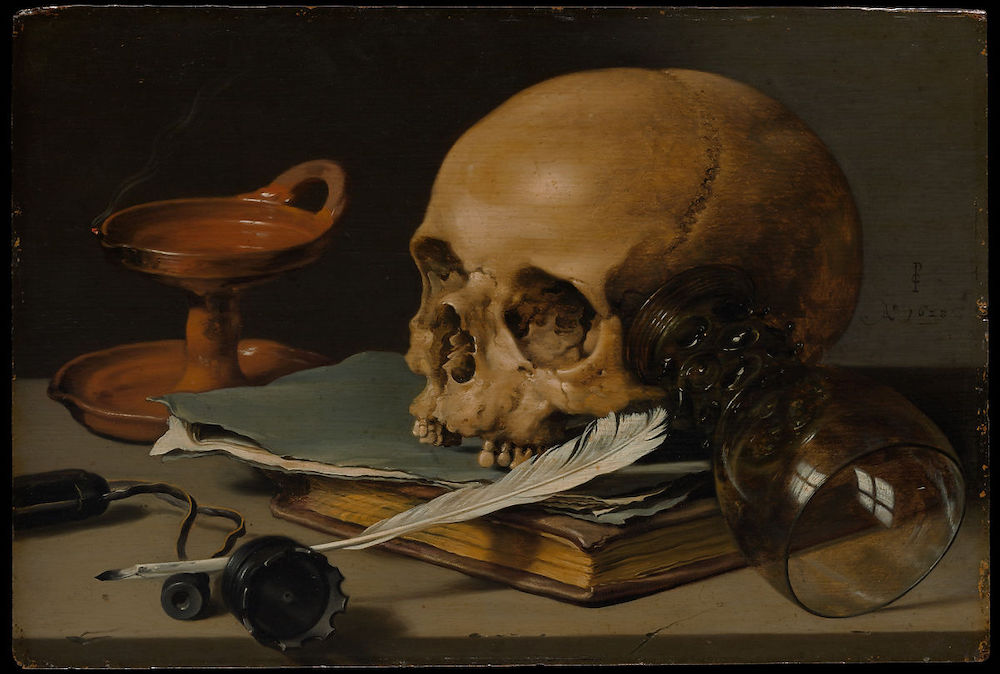
Still Life with a Skull and a Writing Quill, Pieter Claesz (Dutch, Berchem? 1596/97–1660 Haarlem), 1628, Oil on wood, 24.1 x 35.9 cm, Rogers Fund, 1949
Questions to Ask Children
What can you see?
What do you think the painter was trying to say with this painting?
What do you like/dislike about it?
How does this painting make you feel?
This Talking Points Is Used In…
Pathway: Exploring Still Life
using sketchbooks to make visual notes
Show me what you see