Modelling Monsters

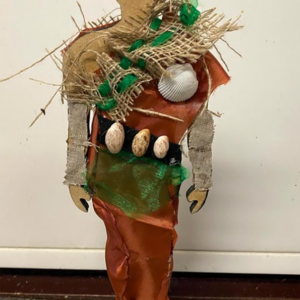
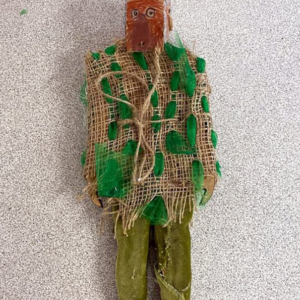
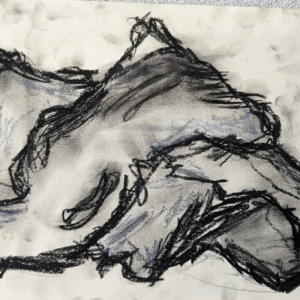
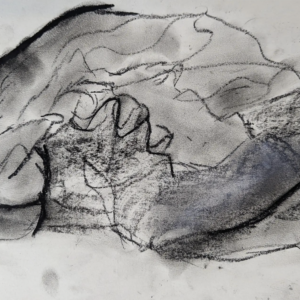
In this two-part activity students will create monsters inspired by their own drawings of animals, and will see their monsters come to life through a modelling activity. This activity aims to promote the development of skills such as hand-eye coordination, dexterity, creating narratives and fine motor skills.

Join AccessArt to watch the full video.


Please log in here to access full content.

Username
Password


Remember me
Forgot Password


To access all content, I would like to join as…
An Individual

Creative practitioners, educators, teachers, parents, learners…


An Organisation…

Schools, Colleges, Arts Organisations: Single and Multi-Users


AccessArt is a UK Charity and we believe everyone has the right to be creative. AccessArt provides inspiration to help us all reach our creative potential.


You May Also Like

fruit and veg head
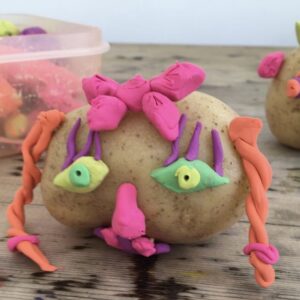
Plasticine Feature on a Potato by Rachel Thompson

clay pens

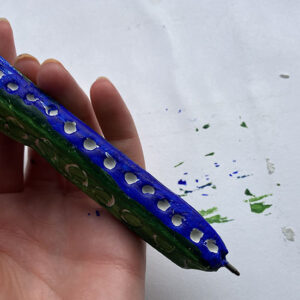
Painted Clay Pen by Tobi Meuwissen

articulated beasts
Articulated Beast & 'HP Sauce'


Introduction to Colour Pencils


Exploring A Midsummer Night’s Dream: Recounting the Story


Exploring A Midsummer Night’s Dream: Making Magic Spells


Exploring A Midsummer Night’s Dream: Costume Design for Bottom

See This Resource Used in Schools…

Sutton Valence Preparatory School


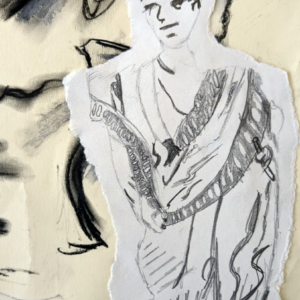
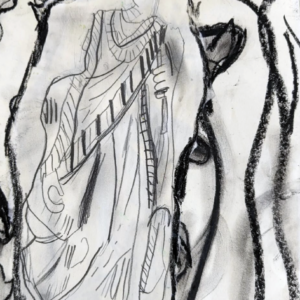
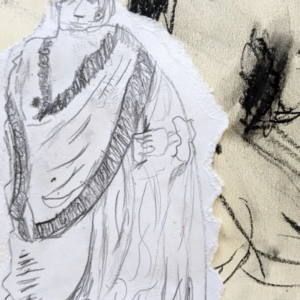
Exploring A Midsummer Night’s Dream Through Art: Ancient Greek Dress Portraits
See This Resource Used In Schools…
Ruth at Carden Primary School, Brighton


Introduction to Chalk Pastels


Analogue Drawing

What We Like About This Resource…

“This activity highlights how visual communication can be used to convey emotion. When artwork is relatable in a human and emotive way it can be really powerful. Learning how to translate feeling into mark-making is a really important skill and can help children break down the essence of a range of their own emotions, and communicate it to others. Explore colour and a range of materials to enrich this experience.” – Tobi, AccessArt.


Drawing with Sticks

What We Like About This Resource

“This is a great activity to get students to think about drawing in a different way. Extending reach and accepting a lack of control can lead to really exciting and energised mark-making. It’s great to see that this resource has also been used in SEND settings, demonstrating its accessibility.” – Tobi, AccessArt.


Exploring Macbeth Through Art: Storyboards


Exploring Macbeth Through Art: Out Damn Spot!


Exploring Macbeth Through Art: Light and Dark Posters


Exploring Macbeth Through Art: Macbeth Portraits


Exploring Macbeth Through Art: Heath Landscapes


Introduction to Graphite


Drawing Source Material: Orchestras and Instruments

A collection of imagery and sources which you can use to prompt drawing in schools and community groups. 

Please note that this page contains links to external websites and has videos from external websites embedded. At the time of creating, AccessArt checked all links to ensure content is appropriate for teachers to access. However external websites and videos are updated and that is beyond our control. 

Please let us know if you find a 404 link, or if you feel content is no longer appropriate. 

We strongly recommend as part of good teaching practice that teachers watch all videos and visit all websites before sharing with a class. On occasion there may be elements of a video you would prefer not to show to your class and it is the teacher’s responsibility to ensure content is appropriate. Many thanks. 

Orchestras and Instruments

Use the film below to enable children to explore orchestras and instruments. Try to create a sense of momentum – for example you might pause the video 4 times and ask the pupils to make a 1 minute, 2 minute, 3 minute and 4 minute drawing at each pause. 

Encourage close and slow looking by talking as they draw – use your voice to attract their attention to different qualities.

Try the same exercise using different materials, ie handwriting pen, ink and nib, pastel, watercolour…

How might you invent your own instrument? What instruments might you combine? Is it self playing?

This Source Material Is Used In…

Pathway: Music and art

This is featured in the 'Music and Art' pathway

This is featured in the ‘Music and Art’ pathway

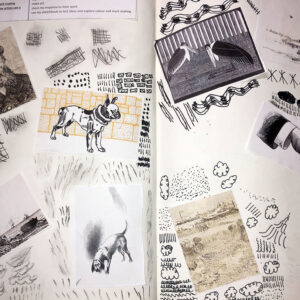
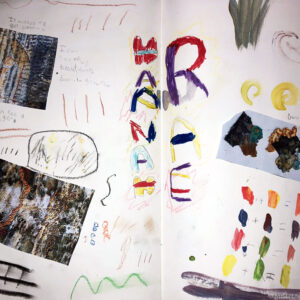
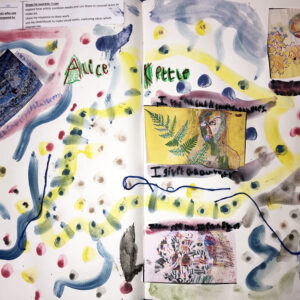
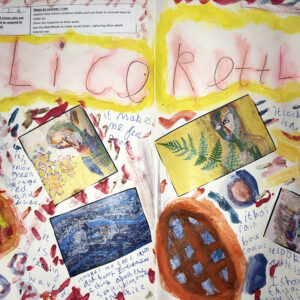
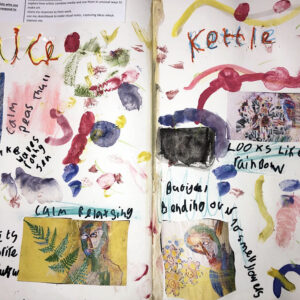
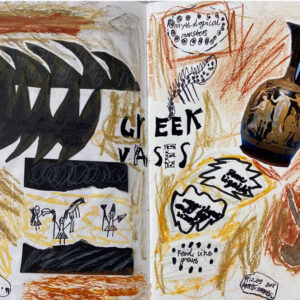
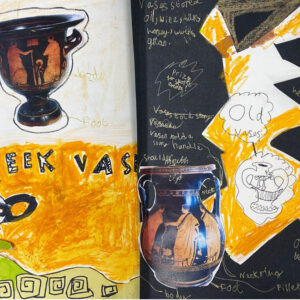
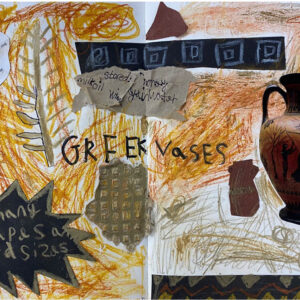
using sketchbooks to make visual notes

Sketchbooks used for observations, research drawing and experimentation.

Show me what you see

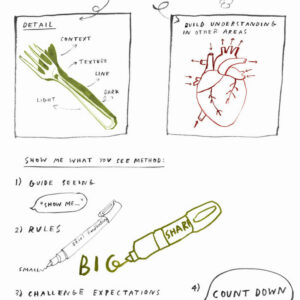
Show Me What You See Method 250 Words by Tobi Meuwissen


Using Sketchbooks to Make Visual Notes

See This Resource Used In Schools

Year 3 Redesdale Primary
Year 3, Sutton Valence Preparatory School
Year 5/6, Histon and Impington Brook Primary
Sutton Valence Preparatory School
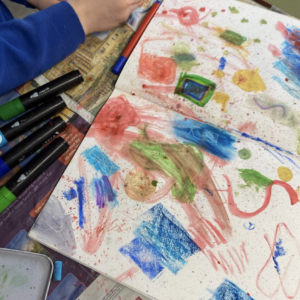
A child's hand holds a pen next to a colourful sketch with abstract marks
Year 3, Sutton Valence Preparatory School
Sutton Valence Preparatory School
Benton Dene School by Clare Boreham
Child's hand using watercolour
St Hilary School, Year 2


Drawing Source Material: Shells & Spirals

A collection of imagery and sources which you can use to prompt drawing in schools and community groups. 

Please note that this page contains links to external websites and has videos from external websites embedded. At the time of creating, AccessArt checked all links to ensure content is appropriate for teachers to access. However external websites and videos are updated and that is beyond our control. 

Please let us know if you find a 404 link, or if you feel content is no longer appropriate. 

We strongly recommend as part of good teaching practice that teachers watch all videos and visit all websites before sharing with a class. On occasion there may be elements of a video you would prefer not to show to your class and it is the teacher’s responsibility to ensure content is appropriate. Many thanks. 

Shells

Use the films below to enable children to explore drawing shells. Try to create a sense of momentum – for example you might pause the video 4 times and ask the pupils to make a 1 minute, 2 minute, 3 minute and 4 minute drawing at each pause. 

Encourage close and slow looking by talking as they draw – use your voice to attract their attention to qualities of the shells.

Try the same exercise using different materials, ie handwriting pen, ink and nib, pastel, watercolour…

Charles Dessalines

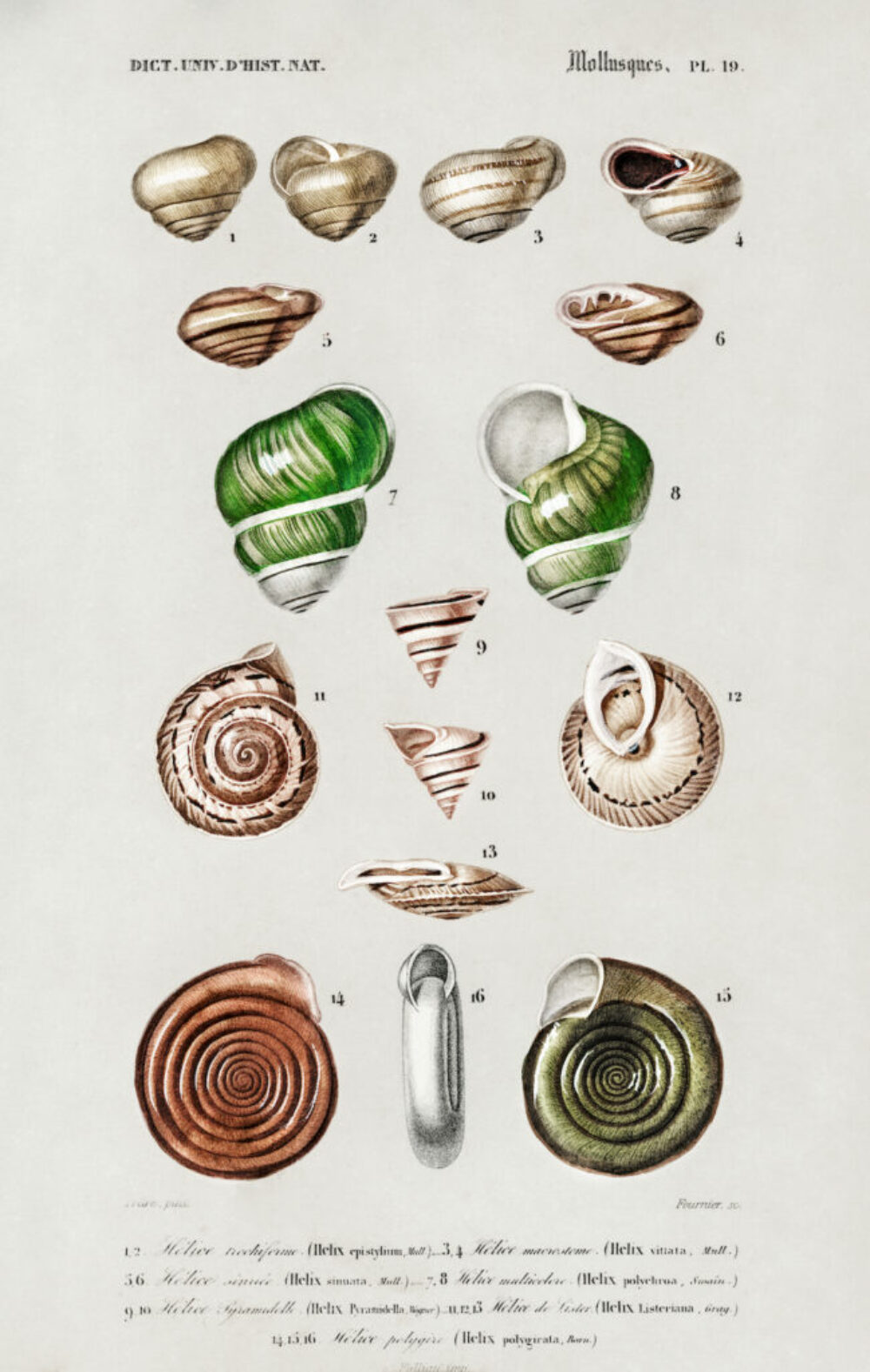
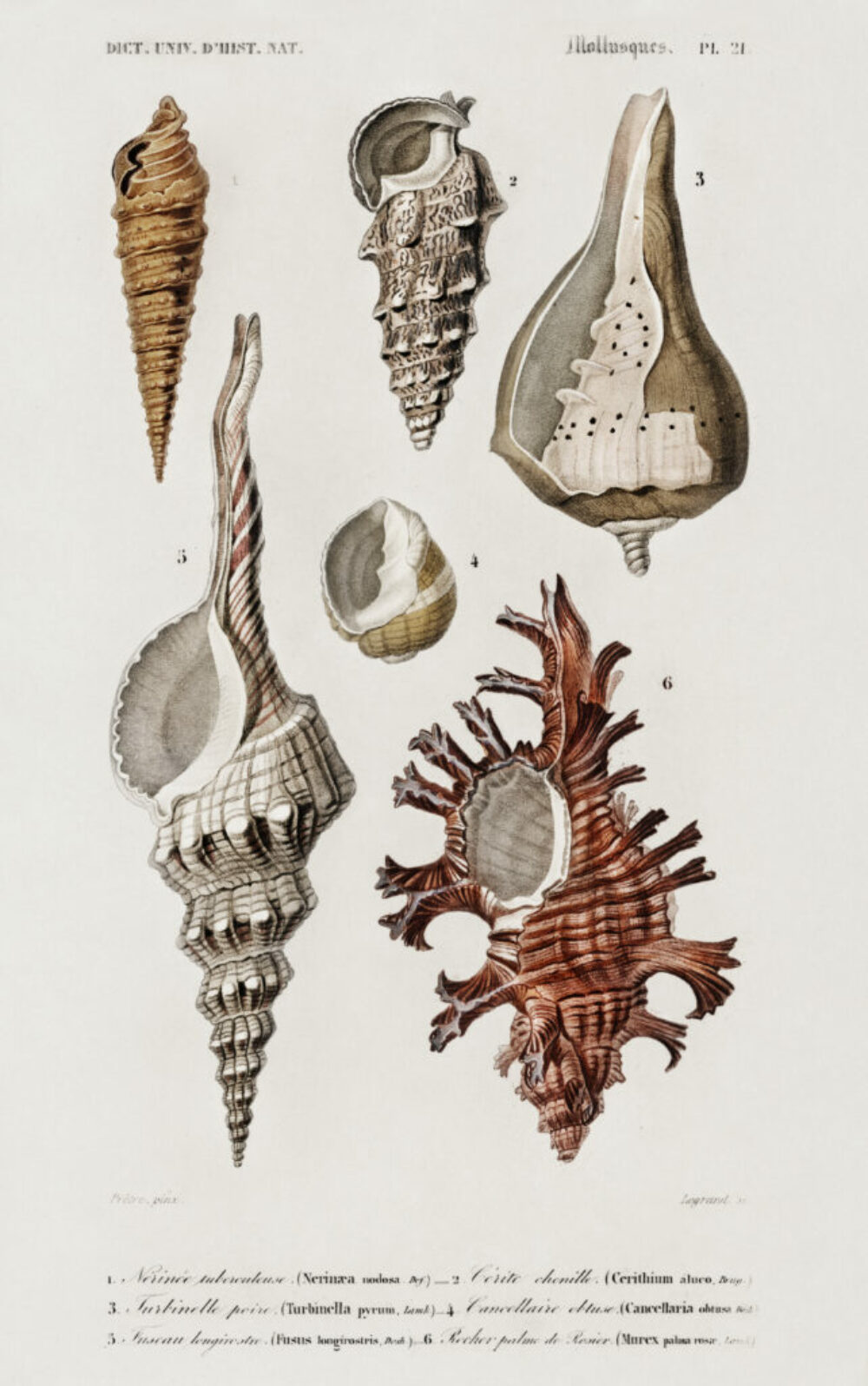
Different types of mollusks illustrated by Charles Dessalines D' Orbigny (1806-1876). Digitally enhanced from our own 1892 edition of Dictionnaire Universel D'histoire Naturelle.

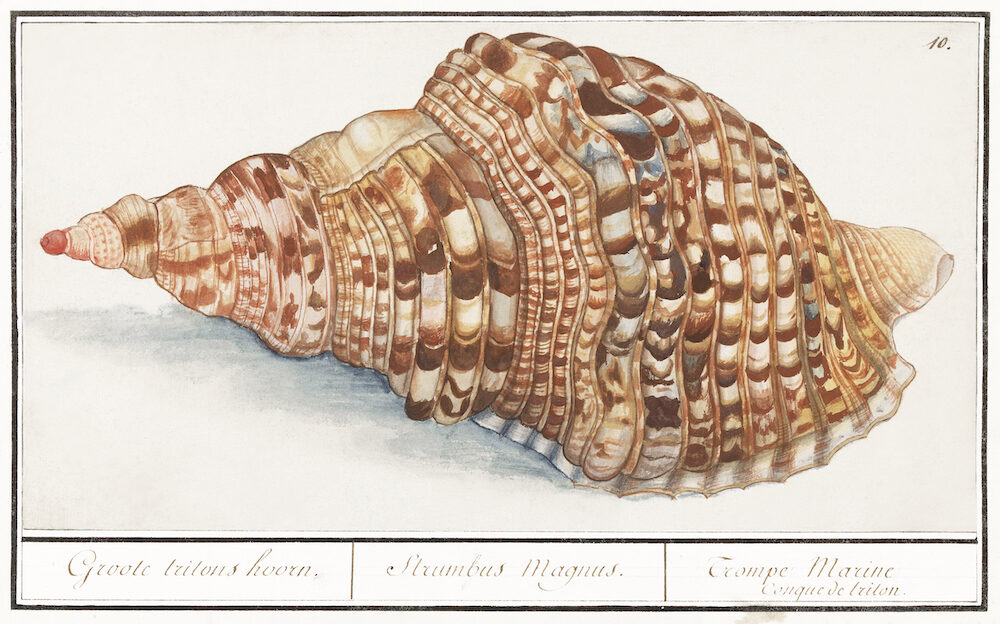
Anselmus Boëtius de Boodt

Common Triton Horns, Charonia tritonis (1596–1610) by Anselmus Boëtius de Boodt. Original from the Rijksmuseum. Digitally enhanced by rawpixel.

Common Triton Horns, Charonia tritonis (1596-1610) by Anselmus Boëtius de Boodt. Original from the Rijksmuseum. 

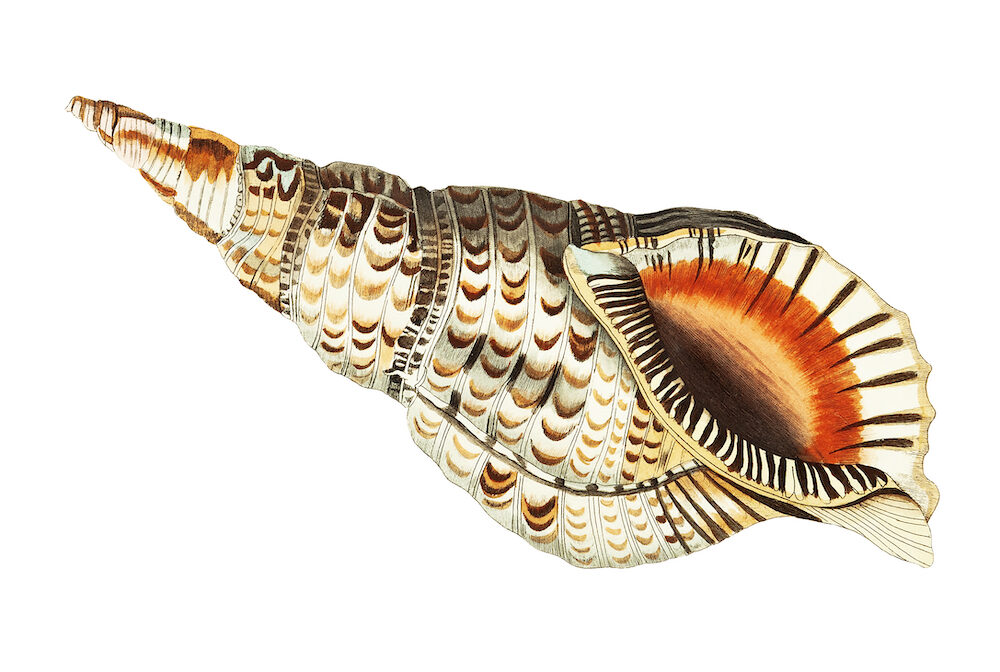
George Shaw

Tritonian murex or Sea trumpet illustration from The Naturalist's Miscellany (1789-1813) by George Shaw (1751-1813)

Tritonian murex or Sea trumpet illustration from The Naturalist's Miscellany (1789-1813) by George Shaw (1751-1813)

You May Also Like…

Pathway: Spirals

This is featured in the 'Spirals' pathway

This is featured in the ‘Spirals’ pathway

using sketchbooks to make visual notes

Sketchbooks used for observations, research drawing and experimentation.

Show me what you see

Show Me What You See Method 250 Words by Tobi Meuwissen


Drawing Source Material: Moving Water

A collection of imagery and sources which you can use to prompt drawing in schools and community groups. 

Please note that this page contains links to external websites and has videos from external websites embedded. At the time of creating, AccessArt checked all links to ensure content is appropriate for teachers to access. However external websites and videos are updated and that is beyond our control. 

Please let us know if you find a 404 link, or if you feel content is no longer appropriate. 

We strongly recommend as part of good teaching practice that teachers watch all videos and visit all websites before sharing with a class. On occasion there may be elements of a video you would prefer not to show to your class and it is the teacher’s responsibility to ensure content is appropriate. Many thanks. 

Water

Use the film below to enable children to explore drawing water. Try to create a sense of momentum – for example you might pause the video 4 times and ask the pupils to make a 1 minute, 2 minute, 3 minute and 4 minute drawing at each pause. 

Encourage close and slow looking by talking as they draw – use your voice to attract their attention to qualities of the water.

Try the same exercise using different materials, ie handwriting pen, ink and nib, pastel, watercolour…

This Source Material Features in…

Pathway: Cloth, thread, paint

This is featured in the 'Cloth, Thread, Paint' pathway

This is featured in the ‘Cloth, Thread, Paint’ pathway

using sketchbooks to make visual notes

Sketchbooks used for observations, research drawing and experimentation.

Show me what you see

Show Me What You See Method 250 Words by Tobi Meuwissen


Mixed Media Landscape Challenges

See This Resource Used In Schools…

Year 5, Whitchurch Primary
Year 5, Winslow CE School
Year 5, St Teresa’s Roman Catholic Primary School

You May Also Like…

Pathway: Mixed Media Land and city scapes

This is featured in the 'Mixed Media Land and City Scapes' pathway

This is featured in the ‘Mixed Media Land and City Scapes’ pathway

Talking Points: Vanessa Gardiner

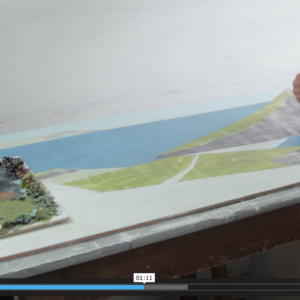
Vanessa Gardiner- Landscape Painter https://vimeo.com/211454959

Talking Points: The Shoreditch Sketcher

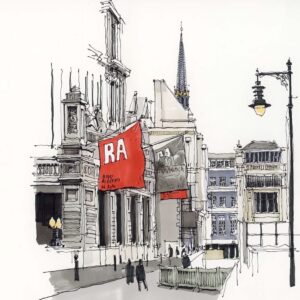
Royal Academy by The Shoreditch Sketcher

Talking Points: Kittie Jones

Layered Landscapes by Kittie Jones